What Makes a House Uninhabitable on Long Island

What Makes a House Uninhabitable on Long Island

Homeownership on Long Island embodies the ideals of safety, security, and a personal sanctuary. Yet, the harsh reality of encountering conditions that make a dwelling unsuitable for living can shatter this dream, replacing comfort with concern and stability with stress.

In this article, we aim to shed light on and provide solutions for homeowners wrestling with the critical question: What renders a house uninhabitable on Long Island?  Oftentimes, a home becomes uninhabitable when it has been vacant or abandoned, damaged by tenants, or inherited and proper repairs or updates haven’t been made in a long time. 

Of course, there are other reasons why a home can become uninhabitable such as flooding, serious mold growth, and animal or bug infestation.  Join us as we navigate through these challenging scenarios, offering both clarity and direction.

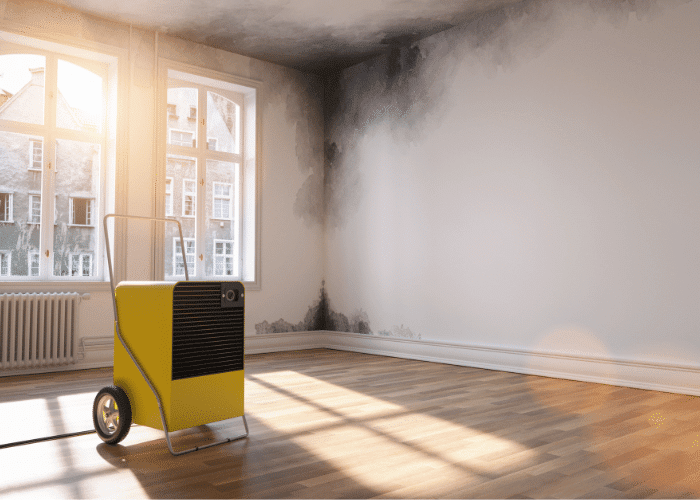
example of uninhabitable house on long island

Understanding Uninhabitability on Long Island

“Uninhabitable” homes, as defined broadly, are those deemed unsafe or unsuitable for living due to severe deficiencies. In the Long Island context, a property might be considered uninhabitable if it lacks essential utilities like running water, suffers from critical electrical system issues, or has significant structural damage posing risks to occupants. 

Long Island homeowners should be cognizant of specific conditions that might not be immediately obvious, such as hazardous materials like asbestos or lead paint, which can render a house uninhabitable under state laws. Moreover, the absence of basic amenities like hot water, effective heating or cooling systems, and smoke detectors can also violate habitability standards. 

It’s crucial for homeowners looking to sell their properties to understand these factors, ensuring they address any issues that could impact the habitability and legal compliance of their home.

Identifying Uninhabitable Conditions on Long Island

Homes on Long Island may become uninhabitable due to various critical issues:

  • Pest Infestations: Significant invasions by pests or rodents can compromise health and safety.

  • Electrical Hazards: Faulty electrical systems pose fire risks.

  • Structural Concerns: Damage affecting structural integrity, such as unsafe staircases or ceilings, can endanger residents.

  • Utility Failures: The absence of water, heating, cooling, or reliable electricity makes living conditions untenable.

  • Toxic Materials: The presence of asbestos, lead paint, or high carbon monoxide levels can seriously impact health.

  • Fire Risks: Lack of smoke detectors or unsafe wiring increases fire danger.

  • Mold and Water Damage: Untreated mold from moisture issues or water damage can lead to health problems and compromise a home’s structure.

  • Security Flaws: Inadequate security measures can also render a home unsuitable.  This could be anything from non-working exterior locks to too many personal belongings (hoarder house)

Understanding and addressing these issues is crucial for homeowners facing uninhabitable home challenges.
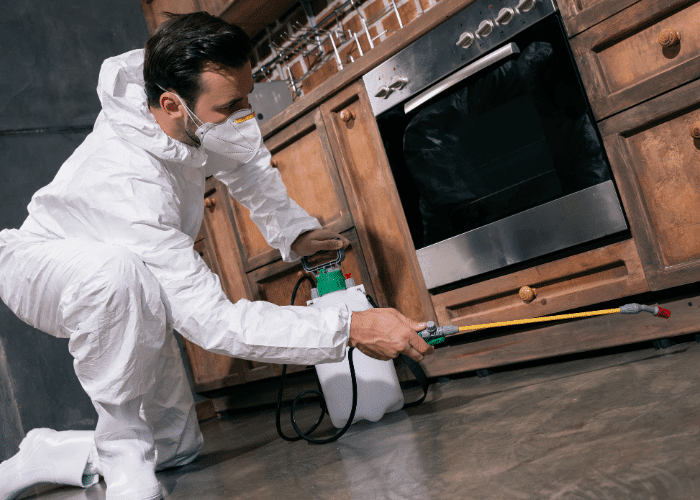
uninhabitable rental house on long island

The Consequences of a House Being Deemed Uninhabitable on Long Island

When a Long Island home is declared uninhabitable, it initiates a series of challenges and decisions for homeowners and potential buyers. This status typically results from failing to meet basic living standards due to significant damage, safety hazards, or health risks.  These uninhabitable living conditions can typically be found in a rental house where the tenant or tenants have ignored issues that make it an unlivable house. Another common scenario that makes a property uninhabitable is when there is a house that has been abandoned for a long period of time such as in the case of a property going through probate.

The impact is multifaceted: homeowners may need to find temporary housing while resolving the issues, potentially affecting their ability to sell the property.  Addressing the impact of an uninhabitable home goes beyond just inconvenience; it fundamentally disrupts the lives of the resident or homeowner which then affects their ability to reside in or sell their property. 

When homes have these kinds of safety hazards or lack basic utilities it creates not only logistical but also financial and emotional burdens. This situation highlights the critical steps homeowners must take to rectify these conditions or possibly even sell the property.

If selling becomes an option,  buyers might be deterred by the risks, demanding substantial discounts to account for repair costs. Legally, sellers must disclose the uninhabitable status of such houses, with failure to do so leading to possible legal actions.

The valuation of a home that is deemed uninhabitable can significantly decrease because potential buyers have to account for the cost of necessary repairs and upgrades. This adjustment in market value often leads to prolonged listing periods and will almost certainly result in lower selling prices, posing a substantial challenge for homeowners looking to sell rental properties under these conditions.

Nevertheless, specialized professionals can navigate the sale of such properties, offering a streamlined, worry-free process for homeowners facing this predicament. If a rental property has become uninhabitable, the local housing authority could get involved. A tenant may even begin withholding rent. If this happens, it is even more important to consider selling to a professional that is familiar with tenant’s rights and can make sure the situation is handled so as to avoid any legal action from the tenants.

Options For Dealing With an Uninhabitable Home on Long Island

Facing an uninhabitable home can be overwhelming, but actionable steps can mitigate the issue. Begin by assessing the damage or deficiencies to understand the scope of problems. Engaging professionals for inspections or repairs might be necessary. 

If the home is your primary residence, consider your living situation and whether temporary housing is needed. Look into insurance coverage or financial assistance for repairs. Legal advice could also be beneficial, especially regarding disclosures if selling the property. Lastly, exploring the market for selling options, including specialists in distressed properties, can provide a pathway forward.

Safety First

Ensuring tenant safety is paramount when a house is declared uninhabitable. If there’s any immediate danger to occupants, like compromised structural integrity or serious health hazards, vacating the property promptly is essential. Arranging for temporary accommodations becomes a priority, followed by a professional evaluation to assess and address the risks involved.

Address The Root Cause

Identifying the root cause of your home’s uninhabitability is critical. This often means engaging with professionals like building inspectors or contractors who can pinpoint issues such as structural damage or pest infestations. Understanding these underlying problems is the first step toward developing a comprehensive remediation plan.

After understanding the issues with your property, assess your options thoughtfully. The decision to repair or sell “as-is” hinges on the severity of the problems, available budget, and desired timeline. This step is crucial for setting a realistic course of action that aligns with your financial and personal goals.

Comparing Repairs vs Selling As-Is

For repairs, start by getting quotes from reputable contractors, focusing first on safety, plumbing, and essential utilities. It’s important to plan and budget carefully due to the potential costs and time involved.

Alternatively, if selling is your preferred route, look into companies or real estate investors in New York specializing in purchasing homes “as-is.” This option can offer a quick, hassle-free way to move past the challenges of an uninhabitable property without the burden of expensive repairs.

selling unlivable property on long island

The Realities of Selling An Unhabitable House on Long Island

Selling a home deemed uninhabitable poses unique challenges, significantly narrowing the pool of potential buyers primarily interested in move-in ready homes. If you are a landlord, the amount of repairs in an uninhabitable rental property and the overall condition can drastically reduce its market value, leading to potential financial losses.

Sellers must navigate legal obligations to disclose the property’s state, further complicating the sales process. Financing hurdles for buyers, due to lenders’ reluctance towards homes failing to meet livability standards, and the extended time such properties spend on the market, exacerbate the difficulties for sellers, increasing both frustration and financial strain.

Selling an uninhabitable property entails strict legal and ethical responsibilities for sellers to disclose all known defects, including the uninhabitable status. Neglecting this duty can lead to serious legal consequences and possible lawsuits from uninformed buyers.

Attempting to finance the purchase of an uninhabitable home can be challenging for buyers, as lenders typically shy away from properties that don’t meet basic livability criteria. This hesitance further narrows the buyer pool. 

Additionally, the longer a property remains unsold on the market due to its condition, the more likely sellers are to face increased frustration and financial burden from prolonged carrying costs.

We Buy Long Island Homes Fast: Experience and Compassion with Fast Action

We Buy Long Island Homes Fast provides an effective solution for homeowners dealing with the complexities of selling an uninhabitable property. Regardless of the extent of repairs needed or structural issues present, We Buy Long Island Homes Fast ensures a seamless and expedient selling process for houses in any condition, offering peace of mind and a hassle-free experience for sellers anywhere located on Long Island.

Working with We Buy Long Island Homes Fast simplifies the selling process for homeowners, eliminating the stress and complexity of traditional real estate transactions. This approach bypasses the need for repairs, lengthy negotiations, and multiple house showings, offering a more straightforward and hassle-free experience.

We Buy Long Island Homes Fast simplifies the sales process by directly purchasing homes from owners, eliminating the need for traditional market listings. This method provides a straightforward option for cash sales, especially appealing in regions like Long Island where homeowners seek prompt, reliable transactions for properties that may require significant work.

Choosing We Buy Long Island Homes Fast for selling an uninhabitable house offers homeowners a fast, hassle-free selling experience. Key benefits include a direct purchase process eliminating market listings, avoiding the stress of repairs and showings, and ensuring a quick, reliable cash transaction. This streamlined approach provides a unique solution for owners facing the challenges of selling properties in less-than-ideal conditions, offering peace of mind and financial relief.

getting cash for a long island home that is unlivable

Conclusion

Selling an uninhabitable home presents unique challenges, yet We Buy Long Island Homes Fast offers a comprehensive solution that simplifies this process significantly. From eliminating the need for repairs and bypassing traditional market listings to providing a stress-free, direct cash transaction, this service transforms what could be a daunting task into a manageable and efficient sale. 

Homeowners benefit from a streamlined approach that removes the hurdles of conventional real estate sales, ensuring a quick and satisfactory resolution to selling properties in less-than-perfect condition. This service not only accelerates the selling process but also offers peace of mind, highlighting a tailored solution for homeowners on Long Island facing the complexities of selling uninhabitable properties.
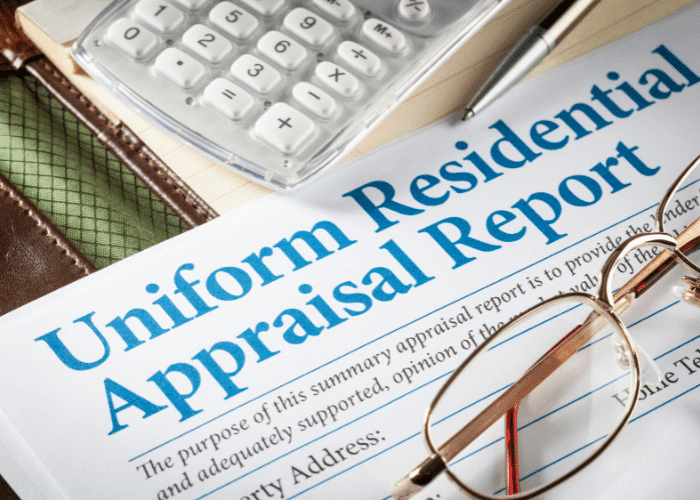

What Repairs Are Required for an Appraisal?

What Repairs Are Required for an Appraisal?

Have you been hoping to make a fast house sale in NY quickly, only to discover you need to spend thousands on repairs?

The fact is that appraisals can halt a home sale. Right when you thought you were ready to list, the appraisal complicates things.

Now, you must invest in more property fixes or risk losing the deal.

But what if you could sell your house as-is on Long Island to cash home buyers without the burden of home appraisal repair requirements? Read on to learn about an alternative for homeowners who need to sell fast.

what repairs for home appraisal

What Repairs Do Appraisers Look For?

When examining a home, appraisers are meticulous. They look for issues that may affect safety, livability, and structural integrity as required by FHA appraisal guidelines in NY.

Structural Integrity Problems

Appraisers will flag any structural issues like cracks in foundations or walls, water damage, evidence of termites, or other pests that undermine the home’s physical stability.

Even small cracks can hint at larger issues underneath that need professional assessment and repair.

Safety Hazards

During an appraisal, the appraiser will flag faulty railings, damaged steps, exposed electricity, fire hazards, and anything that presents a safety risk to occupants.

Safety issues can make it challenging for lenders to insure the property.

Roof Condition

One of the most expensive inspection points is the roof.

Appraisers will assess the roof’s age, material condition, and drainage and look for any evidence of leaks or damage. A full replacement is often required if the roof is near or past its expected lifespan.

Plumbing Functionality

Appraisers test water pressure at all fixtures and check for any leaks showing pipes need repair.

Appraisers flag any signs of faulty plumbing appliances, poor drainage, or outdated fixtures to meet financing standards.

HVAC Issues

Lenders require properties to have adequate systems for climate control and comfort. Faulty heating or cooling, improperly sized AC units, and outdated furnaces may need replacement to ensure the home is comfortable and efficient.

Outdated Electrical, Insulation, and More

Homeowners must address any home systems that appear outdated, insufficiently grounded, or hazardous.

Insulation that allows energy leaks, knob and tube wiring, or inadequate amperage for modern devices are common electrical issues requiring upgrades.

Lead Paint and Asbestos Repairs

In addition to the standard appraisal requirements, older homes in NY must follow strict regulations regarding lead paint and asbestos.

New York is known for its historic homes, but these properties often have layers of old paint or insulation containing lead and asbestos.

Both materials can pose health risks if disturbed, making it essential to follow proper procedures when handling them.

home appraisal repairs

Why Appraisal Repairs Are a Pain for Sellers

Coming up with cash to make appraisal repairs is difficult when you’re trying to sell. Even minor fixes can add up fast, cutting a chunk out of your return on investment.

And there’s no guarantee your repairs will translate to a higher appraisal.

Lenders sometimes impose the strictest requirements, forcing home improvement repairs that go beyond what safety requires.

And because appraisal services are subjective, different appraisers will flag different issues.

If repairs are not made, the lender can refuse sale financing based on a low appraisal. Deals frequently crumble at the last minute due to appraisals, despite the investment of time, money, and emotions.

This presents sellers with a tough choice: roll the dice and hope the appraisal comes in favorably or pour money into a home you’re about to sell.

Your Appraisal Repair Dilemma-and the Simple Solution

Like many Long Island homeowners, you’re probably facing this appraisal repair dilemma. You’re faced with a few options.

Option One: Make the Repairs

You could invest money into making all the repairs the appraiser demands and the buyer’s lender requires. There’s no guarantee repairs will increase the appraised value enough to be worthwhile.

Despite spending thousands on renovations, the appraisal may still come in low. Then you’re out of money and time, with a sale at risk, anyway.

Option Two: Avoid Appraisal Repairs

You have the option to sell as-is in hopes of a good enough appraisal. But then you risk the buyer’s lender denying financing because the appraisal flags issues that need to be fixed.

A no-repair home sale may fall through despite everything because nobody has dealt with the issues.

Option Three: Sell to a Cash Buyer

The smarter choice is to sell your home to a cash buyer like We Buy Long Island Homes Fast. We purchase properties in their current condition; no repairs or appraisals are needed.

You get a fair cash offer upfront, close on your own timeline, and avoid the financial pitfalls and uncertainty of the appraisal process. It’s the most seamless, efficient way to sell fast and move on.

avoiding lender required repairs

Why Cash Home Buyers Are the Smarter Choice

Selling your home can be a long, complex process filled with potential setbacks, especially when dealing with appraisals and repairs. Selling to a cash buyer streamlines this process by eliminating these obstacles.

Selling to a cash buyer has many unique advantages:

  • No appraisals or lender requirements to meet
  • No negotiating over which repairs are mandatory
  • No delaying closing date because of renovation timelines
  • No risk of losing equity by making unwise repairs

As experienced Long Island cash home buyers, we buy properties as-is without requiring repairs or bank appraisals.

If you need to sell your Long Island home fast, avoid unpredictable appraisal repairs, and walk away with cash in hand, contact us today!

We make fair cash offers based on a home’s current condition. No property fixes or upgrades are necessary!

And because there’s no mortgage, we can close much faster within your timeline.

It takes the uncertainty, stress, and financial pitfalls out of the home-selling process.

Sell Without Home Appraisal Repair Requirements

Direct home buyers are an excellent option if you need to sell your Long Island home fast.

Our quick-closing real estate process is a predictable cash sale. You can avoid the home appraisal repair requirements, negotiations, and uncertainty of a traditional sale.

If you need to sell your house on your own terms, contact We Buy Long Island Homes Fast for a no-obligation cash offer.

Don’t let appraisals stand in the way of your real estate goals. Contact us to make selling your Long Island home a stress-free experience!

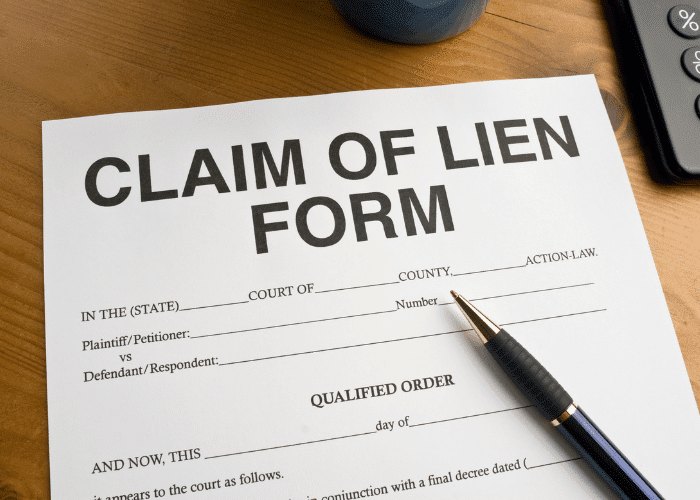
Who Can Put a Lien on Your House in New York?

Who Can Put a Lien on Your House in New York?

Many homeowners have mortgages on their homes, and a mortgage is a lien. There are many types of liens, but mortgage loans are the most common.

A lien gives someone financial claims to a house. While liens are common, they can also complicate a home sale. 

You must repay the liens when you sell a house with a lien in NY. Have you ever wondered who can put liens on properties and why people do this? Are you wondering how liens affect a home sale?

Continue reading this guide to learn about liens on homes in New York.

who can put a lien on a house in new york

Types of Liens in New York

Mortgage liens are common. When you buy a house with a loan, the lender places a lien on the house. This lien gives the lender rights to your home if you fail to pay the mortgage.

The lender can order a foreclosure and keep the money you owe on your mortgage. The lender also requires repayment if you sell the loan. The lien amount changes as you pay down your mortgage balance. 

Here are some other types of liens you may have on your New York property:

Tax Liens

Tax entities can place liens on your house if you fail to pay the taxes you owe. For example, your county or state may place a lien on your house if you have overdue property taxes

The Federal government may place a lien on your house if you owe tax money. 

Mechanic's Liens

Building contractors can also use liens when you owe money. They use mechanic’s liens to place a financial claim on a home.

For example, suppose you hire a contractor to remodel your kitchen. If you owe the contractor money and won’t pay, they can place a mechanic’s lien on your house.

Like all liens, this one requires repayment if you sell your house.

Judgment Liens

judgment lien is another type someone may place on your home. A creditor can place this on your home if a court rules against you in a case. The court must create a judgment for the creditor to file a lien.

Do liens expire? Judgment liens expire 10 years after someone places them on a property. However, a creditor may have the legal right to renew it. 

The Impact of Liens on Selling Your Home

One step in the home-selling process is a title search. A title search is a service that investigates a home’s title. It looks for proof of ownership and liens. 

If a home has liens, a title search will likely detect them. Unfortunately, liens complicate a home title. They also reduce the home seller’s profit. 

As a result, you should consider performing a title search before selling your house. You may consider a lien resolution in New York if you discover liens on your house. You will have to satisfy the debt one way or another.

If you pay the liens before selling the house, it simplifies the sale. If you wait, it complicates it. Liens can pose many problems, including delaying a home sale and impeding your profits.

They can also deter potential buyers. Buyers may decide to back out of real estate purchases if they discover multiple liens on the property. A buyer might view the liens as a hindrance to the sale. 

how can i remove a lien in new york

Navigating the Complexity of Liens

After discovering liens on your property, you might wonder what to do. The good news is you have several options. The bad news is most resolutions are stressful and costly.

One option is to pay the liens. The liens will drop off the loan if you pay them in full. This option might be costly, depending on how much you owe. 

Another option is to negotiate the liens. Unfortunately, you may need to hire a lawyer to successfully achieve this goal. 

You could also sell a house as-is. This option may allow you to sell the home with all the liens. The buyer takes the house and liens. 

Selling a home as-is will require effective marketing strategies. As a result, you may need to search for an experienced realtor to help you.

We Buy Long Island Homes Fast: The Simple Solution

The simplest way to handle liens on your home is to sell it to cash home buyers in Long Island. A cash home buyer will take the house-liens and all.

The buyer will pay cash for the house in exchange for its title. Additionally, the cash buyer will resolve the liens for you. You will not have to deal with them. 

This option provides a hassle-free way to sell a house with liens. It eliminates the stress and work and provides an instant solution. 

Why Choose A Cash Buyer When You Have Liens

We Buy Long Island Homes Fast offers a quick home sale with liens. This method allows you to sell property fast, regardless of its condition or liens. 

You will not have to pay fees for inspections, commissions, or liens. You will not have to wait to find a buyer. You will not have to remodel your home.

The process is simple and begins with a phone call or inquiry. We offer hassle-free house selling by offering no-obligation quotes. You can take the offer or leave it.

If you take it, we guarantee a fast closing without any stress or hassle. There is no simpler way to sell a house with liens.

selling a house with a lien in new york

Sell a House With a Lien in NY the Simple Way

Do you want to sell a house with a lien in NY? The easiest way is to sell it as-is to a cash buyer. You can avoid the stress and financial burdens you would have with a traditional home sale. 

We Buy Long Island Homes Fast is the solution. We buy all homes regardless of the lien status. We give homeowners an easy and fast way to sell their homes. 

Reach out today if you’re interested in learning more about selling your home for cash. We provide no-obligation consultations and offers on all Long Island houses. 

Can You Sell A House With a Reverse Mortgage in New York

Can You Sell A House With a Reverse Mortgage in New York

Did you know that about 480,000 reverse mortgages are outstanding in the United States? Reverse mortgages are often advertised as a financial strategy for homeowners over 62 years old.

In this financial agreement, a homeowner relinquishes equity in their home for regular payments. Older adults may do this to supplement their retirement income.

A reverse mortgage can rise over time, unlike traditional loans that decline as you pay down the monthly fees. Although these loans are supposed to preserve housing stability for aging adults, they often end in foreclosure.

To avoid these complications, you might be looking to sell your home. Can you sell a house with a reverse mortgage in New York? Keep reading to find out.

can you sell a house with a reverse mortgage

Understanding Reverse Mortgages in New York

reverse mortgage, also known as a home equity conversion mortgage (HECM loan) allows homeowners 62 and older to convert home equity into tax-free income.

The property must be a primary residence and the lead borrower has to be at least 62. If a married couple, where only one borrower is of age, needs a reverse mortgage, the lead borrower must be 62 or older.

Anyone interested in a reverse mortgage must complete a counseling session to go over the benefits and risks of this type of loan.

Older adults take this type of loan because it doesn’t involve selling or handing over the title to a lender. The loan is backed by equity already put into the house.

A reverse mortgage means you aren’t required to make monthly mortgage payments any longer. However, you are responsible for paying for:

  • Loan down payment
  • Property taxes
  • Homeowners’ insurance
  • Home maintenance
  • Mortgage insurance premiums

You could use some of the equity in your reverse mortgage to pay these expenses.

An even bigger downside is that the balance of a negative amortization loan like a reverse mortgage is that the balance continues to grow. When you sell your house, the lender will have extra equity in the property.

Challenges Faced When Selling

There are three main challenges that sellers are faced with when they have a reverse mortgage:

  • Confusing process
  • Real estate transaction fees
  • Lost equity

If your home has lost value, it can be hard to work with your reverse mortgage lender to determine a fair listing price.

If you choose to work with a real estate agent, attorney, or other services, you’ll be required to pay their fees just as you would during a traditional home sale. You can lower your fees by finding a cash buyer in New York.

When you sell a home with a reverse mortgage, you have to pay off the full loan balance, including interest and fees. Because of this charge, you won’t get back your total equity.

Once you pay off your balance, you get to keep all the leftover amount. If your home appreciated over time, this could be a nice payday for you.

In contrast, if your home lost value over the years, you don’t have to pay the difference between the loan balance and the sale price. There may be a mismatch between this balance and the home’s market value.

In this scenario, it makes sense to sell a house fast to a cash buyer.

Do You Have a New Place to Live?

Older adults prefer to get a reverse mortgage so that they can stay in their homes as they age. If you end up having to sell the property, you need to have a new place to live lined up.

Make sure your new home is affordable and suitable for an aging adult. Paying off a reverse mortgage after you sell can leave you with little money for assisted living.

Some insurance policies cover costs related to assisted living. The Assisted Living Medicaid program in New York provides long-term care to those requiring a Nursing Home Level of Care.

Medicaid programs may cover a small portion of a private assisted living residence. Insurance can help offset the cost of finding a place to live after selling a home with a reverse mortgage.

cash house buyers with reverse mortgage

The Advantage of Cash Buyers

Cash buyers offer benefits from a quick home sale to hassle-free selling. In a situation where home selling is complicated, cash buyers can help remove your troubles. In addition to these benefits, you can make a no-repair home sale.

Find out how much you owe on your reverse mortgage by contacting your lender. Get the full payoff quote in writing to ensure the amount doesn’t rise once you sell the home to a cash buyer. 

Streamlined Solution Example

The process of selling your home through a cash buyer is simple. It requires only three basic steps:

  • Request your offer
  • We visit your property
  • Get your fair cash offer

When you work with We Buy Long Island Homes Fast, you don’t have to prepare your home for sale with marketing or open houses. Instead, you’ll call or fill out a form about your property and await a visit from us.

Our licensed professionals will finalize the paperwork and offer you a fair price. After that, you can collect your cash and use the proceeds to pay off your reverse mortgage.

This streamlined solution provides sellers with relief that they no longer have to worry about increasing their reverse mortgage balance.

If you are still hesitant to sell to a cash buyer, check out these actual reviews from people on Long Island who sold their homes to We Buy Long Island Homes Fast.

easy house sale with reverse mortgage

Sell Your Home With a Reverse Mortgage Now

Understanding how reverse mortgages work, especially when you sell your home, can help you improve your financial situation. Instead of continuing to increase your loan balance, sell your home fast with us.

At We Buy Long Island Homes Fast, we prioritize transparency and honesty when we offer cash for your home. There’s no need for agent fees, commissions, or repairs.

We have solutions for reverse mortgage situations and foreclosure. It’s quick, easy, and feasible to sell your home to a cash buyer. Reach out to us today for a no-obligation cash offer.

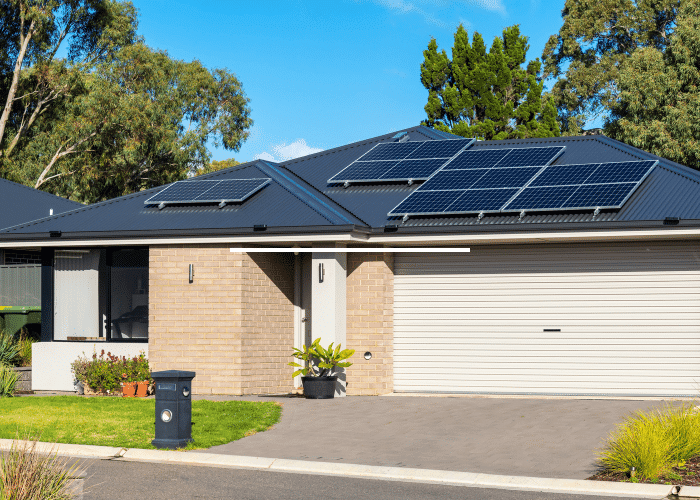
Selling A House With Solar Panels in New York

Selling a House With Solar Panels in New York

Solar panels have emerged as a transformative home improvement in recent years, promising both energy savings and environmental benefits. As more homeowners embrace sustainable living, the installation of solar panels has become increasingly common.

However, amidst the enthusiasm for renewable energy solutions, a significant challenge arises when it comes time to sell a house with solar panels. While the benefits of solar energy are clear, navigating the sale of a solar-equipped home can be surprisingly complex.

Homeowners may find themselves grappling with issues ranging from the transferability of agreements to buyer concerns about the technology. In this blog post, we will take a closer look at how to sell a house with solar panels in New York. Let’s get started.

Selling House With Solar Panels New York

The Challenges of Selling A House With Solar Panels in New York

Navigating the sale of a house with solar panels poses several challenges that can complicate the process. One common obstacle is the presence of lease agreements on the solar panels, which may require careful negotiation to transfer ownership smoothly.

Additionally, potential buyers may have reservations about the technology itself, such as concerns about maintenance costs or the reliability of the system. Financial arrangements like Power Purchase Agreements (PPAs) can further complicate matters, as buyers may be wary of assuming these agreements. These challenges can deter potential buyers, prolonging the selling process and potentially impacting the home’s market value. Sellers must be prepared to address these concerns effectively to ensure a successful sale. The rising cost of living on Long Island also influences these decisions.

These challenges can deter potential buyers, prolonging the selling process and potentially impacting the home’s market value. Sellers must be prepared to address these concerns effectively to ensure a successful sale.

Overcoming Common Buyer Misconceptions About A House With Solar

Market perceptions regarding solar panels can be mixed, with some buyers having misconceptions about their maintenance requirements, cost savings, and transferability of agreements.

While solar panels offer numerous benefits, including reduced energy bills and environmental sustainability, it’s important for homeowners to understand that selling a house with solar panels may not be as straightforward as they initially thought.

Some potential buyers may harbor concerns about the upkeep of solar panels, wrongly assuming that they require extensive maintenance. Additionally, there may be misconceptions about the actual cost savings associated with solar energy. This can lead some buyers to question the financial benefits of investing in a solar-equipped home.

The Surpirsingly Easy Way To Sell Your House With Solar

Offering a hassle-free solution for homeowners selling houses with solar panels, we at We Buy Long Island Homes Fast present a straightforward alternative. Our company specializes in purchasing homes “as-is,” including those with solar panels. This eliminates the complexities of the traditional market.

With us, homeowners can bypass negotiations over solar panel agreements and address buyer concerns with ease. We prioritize a seamless transaction process, ensuring a quick and stress-free sale.

Selling a house with solar panels can be daunting, but we streamline the process. We provide relief from the uncertainties and challenges typically associated with such transactions.

You no longer need to worry about finding buyers willing to navigate the intricacies of solar panel agreements or deal with prolonged negotiations. Instead, you can rely on us as your trusted partner to facilitate a smooth and efficient sale.

By choosing We Buy Long Island Homes Fast, homeowners can sell their solar-equipped properties quickly and move forward with confidence. Whether facing time constraints, financial concerns, or simply seeking a hassle-free selling experience, we offer a tailored solution that prioritizes your needs and convenience.

With our commitment to transparency, integrity, and customer satisfaction, we are the ideal choice for hassle-free house selling on Long Island.

easy way to sell a house with solar

The Benefits of Selling To We Buy Long Island Homes Fast

Let’s explore the benefits of selling your house with solar panels to We Buy Long Island Homes Fast, the leading Long Island home buyers. Enjoy a hassle-free experience, a quick closing process, and fair offers for your home.

Quick Closing Process

When you choose to sell your house with solar panels to We Buy Long Island Homes Fast, you can expect a quick closing process. Unlike traditional real estate transactions that can drag on for months, we prioritize efficiency.

Our streamlined approach allows us to close deals swiftly, enabling you to sell your home and move on with your life without delay.

No Negotiations Over Solar Panel Agreements

One of the most significant advantages of selling to We Buy Long Island Homes Fast is that you won’t have to negotiate over solar panel agreements.

Whether your solar panels are leased, under a Power Purchase Agreement (PPA), or owned outright, we will purchase your home as-is. This means you can bypass the complexities of transferring agreements and avoid potential hurdles that may arise during negotiations.

Elimination of Concerns of Common Solar Misconceptions

As noted above, selling a house with solar panels through traditional channels may raise concerns about market perceptions. Some buyers may be hesitant to purchase a home with solar panels due to misconceptions about:

  • Maintenance
  • Cost saving
  • Transferability of agreements

However, when you sell to cash home buyers on Long Island, you can eliminate these concerns. We are experienced in buying homes with solar panels and understand their value. You can trust that we will provide a fair offer for your home, when you want a quick home sale on Long Island.

Convenience and Peace of Mind

Selling your house with solar panels to We Buy Long Island Homes Fast offers unparalleled convenience and peace of mind. Our hassle-free process allows you to avoid the stress and uncertainty associated with traditional real estate transactions.

You won’t have to worry about staging your home, hosting open houses, or dealing with multiple showings. Instead, you can enjoy a straightforward selling experience with minimal disruption to your daily life.

how to sell house with solar panels long island

How to Sell a House With Solar Panels

In conclusion, while solar panels are a valuable addition to homes, selling a house with solar panels can be complex and challenging. Homeowners looking to sell a house with solar panels should consider the simplicity and certainty of a direct sale to We Buy Long Island Homes Fast.

By reaching out for a no-obligation offer, homeowners can take the first step towards a hassle-free selling experience. Don’t let the complexities of selling a house with solar panels hold you back. Contact our expert team today and sell your home with ease. We look forward to helping you sell a house fast on Long Island.

Overdue Property Taxes in NY: Understanding Your Options and Legal Remedies

Overdue Property Taxes In NY: Understanding Your Options

Having all your taxes squared away is one of the most freeing feelings a person can have, but many times, the taxes we owe can run away from us. Unlike income taxes, which work on the withholding system, you need to budget, file, and pay your property taxes yourself. Excess admin and financial surprises can often lead to being in arrears.

Unfortunately, delinquent taxes can lead to significant problems. That’s why we’ll tell you all about property taxes in New York, how to handle back taxes, legal remedies, and more. Keep reading to learn everything you need to know.

overdue property taxes in new york

Property Taxes in New York

The New York property tax regulations have two percentages you need to know about when calculating your property tax. The first is your assessment percentage (also called a ratio), and the second is the property tax rate (also a percentage).

The assessed value is a percentage of your property’s full market value. For class 1 properties (three-bedroom houses and similar residences), it’s around 6%. For all other property classes, it’s 45%!

Calculations

Multiplying your property’s market value (say $1,000,000, for example) by your assessment rate will give you your taxable value. So $1 million times 6% gives you $60 thousand. That’s only the taxable value.

You then multiply your taxable value by your class’s tax rate (which is around 20% for class 1 in 2024). $60 thousand times 20% will finally give you what you owe, which would be $12 thousand in our example. Using this method of calculating your property taxes allows you to budget to pay them when they’re due.

Making Payments

If your property is worth less than $250,000 as of the time of writing (2024), your bills will be mailed out, and payments will be due quarterly. Properties worth more than $250,000 only get taxed twice per year.

There is no State-wide tax rate; local governments set their own rates. This means getting your bill well before those due dates is essential so you can budget, file, and pay on time.

It’s important to keep an eye on those due dates and see if anything comes in the mail. If not, ensure that you reach out to your local government to check your property tax status (especially if you think it’s overdue).

What Taxes Pay For

Property taxes go to local amenities and projects. The majority of your parks, libraries, schools, and other similar infrastructure are funded by property taxes. 

selling a house to we buy long island homes fast

Falling Behind On Your Home Property Tax Bill

New York has some of the highest property taxes and a set of confusing calculations to go with them. Falling behind can happen if you’re too busy to deal with all that math and paperwork or if you have temporary cash flow issues. Unexpectedly inheriting a property and being on the hook for its taxes can also get you into hot water.

Unfortunately, the tax collector will come for their money no matter what led to the situation in the first place. The penalties are small initially but can build up to severe consequences.

Legal Troubles for Getting Too Far Back on Your Taxes

New York State law considers any outstanding amount still owed past the due date “late.” The first penalty the law imposes on unpaid taxes is charging interest and a late payment penalty. The penalty fees aren’t that heavy, but the interest compounds daily, which means it grows incredibly quickly.

The extra charge isn’t the biggest problem for most people. The municipality also gets a lien against your property.

A lien gives someone else the right to claim what you owe them when the property with the lien on it gets sold. It also provides the lien holder the right to apply to the court to foreclose your property.

The court sells the property at auction and hands the outstanding balance to the lien holder. Any money left over after satisfying the debt goes to the court, not the property owner. This prevents people from using the system to get their homes sold for free by accruing a little tax debt.

Legal Solutions

Foreclosure is a severe deterrent, which is why New York law gives you plenty of time and options for extinguishing delinquent property tax. The most important thing to do is to open the dialog with the collections staff and communicate your problem as soon as possible. They’ll tell you about your options, which will generally be better the earlier you start communicating.

Payment Plans

The most convenient route is to get an installment agreement if you want to keep your property. Installment agreements help you pay late property taxes and the interest off within three years. However, there are many rules attached to a payment plan.

Firstly, they require a downpayment. It’s not wise to get the money for the downpayment by borrowing somewhere else, so beware of predatory lenders and scammers.

Secondly, you can’t make a new payment plan if you’ve suffered a tax foreclosure or defaulted on a tax payment plan in the last three years. You’re also barred if there’s another tax lien on any of your properties.

If you don’t qualify, you may yet have luck with a tax relief program.

Direct Cash Sale

Many people don’t wait for the court to auction their properties, opting rather to do it themselves. With a cash sale, this can be quick and convenient, and you get to keep the rest of your money!

A cash sale protects you from many negative financial consequences. You get a massive upfront cash flow injection when you sell a house with back taxes rather than having your cash flow restricted for three years. It also protects your credit record, helping you get into a new home faster.

Don't Let Back PropertyTaxes Get You Down

In summation, property taxes in New York are calculated based on the market value of your property or properties. That means acquiring a new property means you owe more for the tax year.

If you fall behind with your property taxes, you can face legal penalties. Luckily, there are numerous ways of getting out of this mess. You can either make a payment agreement or sell your property with a fast cash sale.

At We Buy Long Island Homes Fast, it’s all in the name. Get the quickest and fairest cash sale today and secure your financial future.

direc cash sale with back property taxes

What Documents are Required to Sell an Inherited House in New York?

What Documents are Required to Sell an Inherited House in New York?

Selling an inherited house can be much more involved and take significantly longer than normal. That is because there are various aspects of possession that you must confirm. 

The good news is that, once you understand what hoops you need to jump through, you can speed up the process. You can also do so without any hiccups associated with the sale or transfer. 

This article explains what documents you need in order to sell an inherited house in New York, as well as the basic processes involved. It will help you be prepared so that it can go as smoothly as possible. Keep reading to learn more. 

inherited house documents on long island

Understanding Probate and Estate Settlement in New York

Probate refers to the legal proceedings to validate a deceased person’s will and to disperse property to heirs. In New York, these take place in the county where the deceased person died.  

Not all estates go to probate in New York, but most do. The first criterion is that the estate must exceed $30,000. If it does not, probate may not be warranted. 

Next, if you are the spouse of the deceased, then the property passes directly to you and probate is not required. A final circumstance is when the property was part of a living trust that specifies beneficiaries upon death.  

In the New York probate process, the executor of the will files a petition with the appropriate court. Along with the original will, this includes information about the death, beneficiaries named in the will, and an estimate of the estate’s value. It also may contain heirs recognized by law, in case the will is invalid.

Once the court validates the legitimacy of the will, the executor can begin carrying out the stipulations of it. This often includes categorizing all the estate’s assets, such as financial accounts and investments. It also entails appraising property value, such as vehicles, artwork, and real estate. 

Documents You Need to Sell an Inherited House in New York

There are several different documents you need to sell an inherited house in New York. Here are the main ones to put together. 

The first one is a death certificate, which proves to the court that the property owner has passed away. Next, you will need a letter from the executor proving that you are the rightful owner of the property, or that you have been authorized the sell the property on behalf of the estate. 

If the property was inherited through probate, you may need the court order to show that. This is especially important if the conclusions of the court are disputed by another party. 

Next, you will need the beneficiary deed to the home. This is essential for proving ownership of the property.  

If there is an outstanding mortgage on the home, you will need documentation showing the remaining balance. You also must have all relevant property tax information, including the most recent tax statements. 

Like with selling all homes, a recent utility bill can demonstrate that you are responsible for ongoing expenses related to the property. You also may wish to conduct a property survey and have the information showing property boundaries 

Tax Considerations for Selling an Inherited House

There are several tax implications for selling an inherited home in New York. These can be broken down into state and federal taxes.

New York does not have an inheritance tax per se, but it is one of a dozen states that tax property passed down from a deceased person. Regardless of the primary residence of the decedent, property they owned inside the state’s borders is subject to taxation. 

In terms of federal taxes, things get more complex. The main one to consider is capital gains taxes. These can be upwards of 15 to 20 percent, depending on your income and filing status. 

This relates to the amount a property has appreciated over the years. For instance, if the deceased purchased the home 25 years ago, it has likely increased in value a great deal. As part of an inheritance, the accumulated value of the home could be subject to taxation. 

Can Capital Gains Taxes Be Avoided?

There are two main ways to get around paying serious capital gains taxes on inherited property. The first is if you plan to live in the home as your primary residence. Residing there for at least two years will make you eligible for a $250,000 (individuals) or $500,000 (married) tax exclusion.

This is not an option or preference for many beneficiaries. Fortunately, there is an alternative, based on the “step-up in basis” rule, a tax provision that allows you to reduce taxable liability.

This allows heirs to use the property’s “fair market value” at the date of the original owner’s death, rather than the purchase price plus appreciation. It makes the taxable profit smaller, which results in smaller capital gains taxes. 

There is a caveat here. In order to avoid paying long-term capital gains taxes, you must sell the home within a year of inheriting it. Note that the clock starts ticking from the time you take possession of the property, not the date original owner’s death.  

Regardless, inherited homes can take much longer to sell than normal ones. That is due to all of the complexities of executing the will and transferring possession, described above. For this reason, many people in this situation seek the help of experienced real estate experts to assist in expediting the process, in order to avoid serious tax implications. 

Easy Inherited Home Sale

Find Assistance Selling an Inherited Home

Now that you understand what it takes to sell an inherited house in New York, you can start the process. A qualified real estate company can further advise you on the property steps to take. 

At We Buy Long Island Homes Fast, our team of experts understands the unique challenges of navigating the complex world of real estate. We bring years of experience and success, which has gained us a reputation for excellence in service.  Fill out our form or give us a call today to see how we can assist. 

Water Damage on Long Island: How to Successfully Sell A Water-Damaged Home

Water Damage on Long Island: How to Successfully Sell A Water Damaged Home

It is not easy to sell property with water damage. It’s hard enough to sell a property as it is today, but selling one that’s been damaged means that somebody’s going to have you buy a fixer-upper. If you don’t plan to get your property fixed before you sell it, then you’re going to find that you need to disclose the damage when you sell. 

With the right approach, however, you’ll be able to navigate the process of disclosing the damage properly. Water damage doesn’t just affect the structural integrity of a home. There are concerns that will be raised about mildew, mold, and other potential health hazards that could affect the buyer and their family. If we don’t disclose these things, not only will you be doing somebody else an injustice, but it’s not transparent. You can still sell a property that has water damage, so let’s take a look at how you can do it.

house with water damage on long island

Assess The Cause and Extent of the Water Damage in Your House

You have to assess your home properly for water damage, so that you’re able to list it at the prices it should be sold for. Before you can do that, you need to make sure that you assess the extent of the damage. Bringing in an expert to come and do a walk around of the home with you is important. You have to inspect both the exterior and the interior of the property because you need to look for the right signs of water infiltration. Are there stains? Is there discoloration on the walls or the ceilings? Are the surfaces warped? Is there a musty odor that indicates water-based mildew? If you don’t identify the source of the water damage, whether it’s plumbing, the roof, or any other flooding, there’s going to be a problem.

Pricing Your Water-Damaged Home

Once you’ve thoroughly assessed the damage, it’s time to think about how to price your property. The price should reflect not only the current condition of the home and any repair needs, but also the realities of the local real estate market. Researching comparable properties—especially other water-damaged homes in your area—can help you get a realistic starting point. Consulting with a company that has expeirence buying fixer-uppers or homes with water issues is a smart move, as they’ll understand how to get you the highest cash offer possible. If you plan to sell the house “as-is,” be prepared to list it below typical market value to attract buyers looking for a project.

By carefully assessing both the extent of the damage and the local market, you’ll be better prepared to set a fair, competitive price that reflects your home’s unique situation.

Understand and Meet Disclosure Requirements

In most states—including New York—homeowners are required by law to disclose any known water damage, as well as repairs or remediation steps taken. This includes not only obvious damage but also any history of leaks, flooding, or mold. Being upfront isn’t just about avoiding lawsuits (though that’s reason enough); buyers actually appreciate transparency, and it builds trust in the sale process.

Key things to document and disclose:

  • Inspection Reports: Attach any professional assessments or inspection reports.
  • Repair Records: Keep and share receipts or documentation for repairs and remediation.
  • Flood Zone Status: If your property is in a flood zone, let buyers know and provide information on any required flood insurance.
  • Mitigation Efforts: Note any steps you’ve taken to prevent future damage—like sump pumps, waterproofing, or improved drainage.

Pro tip: Clear, thorough disclosure doesn’t scare off all buyers. In fact, many are more comfortable buying a home with a known (and documented) history than one with hidden surprises.

Why Disclosure Matters

Transparency about water damage isn’t just smart—it’s usually required by law. Most states require sellers to disclose any known water damage, past or present. If your home is in a high-risk flood zone, you’ll also need to provide that information and may be required to show proof of flood insurance. Failing to fully disclose can lead to lawsuits or the deal falling through if the buyer uncovers hidden issues later on.

What to Include in Your Disclosure:

  • Documented Repairs: Keep detailed records of all repairs or remediation steps taken. This shows buyers that you’ve handled the problem responsibly.
  • Inspection Reports: Attach the inspection report from your professional assessment to your disclosure paperwork.
  • Flood Zone Status: Be upfront if your property is located in a flood-prone area—buyers need to know this for their own protection.

Being upfront about your property’s condition may feel daunting, but buyers appreciate honesty. Detailed disclosures help build trust and can actually make your home more appealing, as it signals you have nothing to hide.

What To Do Right After Discovering Water Damage

So, you’ve just realized your home has water damage. Don’t panic—just breathe and follow these steps, and you’ll be in much better shape (plus, you’ll have a much easier time dealing with potential buyers down the road).

1. Stop the Water in Its Tracks

Your first order of business is to play detective. Figure out where the water is coming from—burst pipe? Overflowing appliance? Leaky roof? Once you’ve tracked down the source, shut it off if possible. For plumbing problems, turn off the main water valve. If it’s a roof issue, throwing a tarp up temporarily can save further headaches.

2. Clear Out Standing Water Fast

The clock is ticking on mold growth, so grab the mop, buckets, or a wet/dry vacuum from your local hardware store (or call in a pro if things have gotten out of hand). The quicker you dry out the area, the less long-term trouble you’ll have.

3. Start Drying and Dehumidifying

Open the windows, run fans, and crank up dehumidifiers (if you have one). Target floors, walls, and any soft furnishings. If it was a major flood, calling a licensed water restoration company is smart—they’ll have those gigantic, noisy fans you see in hotel lobbies after an elevator leak.

4. Clean and Disinfect Everything

Water damage isn’t just wet walls—it could also mean bacteria, especially if the flooding involved outside water. Use a disinfectant to wipe down any affected surfaces and toss heavily soaked books, rugs, and mattresses that can’t be saved.

5. Take Stock of the Damage

Now’s the time for a notepad and your phone’s camera. Document what’s damaged, what still looks okay, and take plenty of photos. This will help when dealing with insurance or future buyers.

6. Bring in the Pros (If Needed)

For anything structural—cracked foundations, sagging ceilings, insulation that smells like a swamp—hire a reputable contractor or restoration expert. Some repairs are too important (and too risky) to DIY, especially if you’re looking to sell.

These steps won’t magically erase water damage, but they do lay the groundwork for proper repairs, honest disclosures, and ultimately, a smoother sale.

How Fast Does Mold Appear After Water Damage?

One of the most pressing concerns with water damage is mold—and it doesn’t wait around. In fact, mold can start to develop as little as 24 to 48 hours after water first enters your home. Left unchecked, these moisture-loving spores take advantage of damp floors, walls, and hidden pockets, often right under your nose (and quite literally, your nose if you start to catch a musty smell).

Speed matters here. If you act quickly to dry the affected area—cranking up fans, opening windows, or even calling in a professional restoration company—you can often stop mold before it has a chance to settle in. But if you spot any fuzzy patches or that telltale odor starts wafting through the house, it’s best to call in a mold remediation specialist before you put your home on the market.

Remember, ignoring the issue almost guarantees bigger headaches later, both for your health and your wallet.

Is Mold Always Present After Water Damage?

Not always—but it’s a real possibility you can’t ignore. Mold loves moisture, but it needs time to get established. If you catch water damage early and act quickly—with a thorough dry-out and maybe an industrial-strength dehumidifier or two—you might get lucky and prevent mold altogether. However, if the water sits for even a day or two, those pesky spores can kick into gear fast. So, while mold doesn’t magically appear with every drop of water, letting moisture linger almost guarantees you’ll be facing a mildew mess. If mold is already present, it’s wise to bring in professionals for remediation before you even think about listing your home.

What Preventive Measures Can Help Protect Your Home from Future Water Damage?

Now that you’ve identified and documented the water damage, it’s time to think about how to prevent any further issues, whether you’re selling now or just want some peace of mind. Water damage is insidious—sometimes the real trouble hatches long before you see the stains—so a little vigilance goes a long way. Here’s how you can keep your property high and dry:

  • Stay On Top of Inspections: Make it a yearly tradition to check those easy-to-miss spots, like your attic, basement, under sinks, and around windows. It’s about noticing the small signs before they turn into big, soggy headaches.
  • Mind Your Gutters: Clogged gutters love nothing more than directing water right where it doesn’t belong—your foundation or inside your walls. Clean them out twice a year, especially after a breezy Long Island autumn, and check downspouts to ensure they carry water away from your home.
  • Seal Up Cracks and Gaps: Check for any cracks in the foundation, as well as gaps around door frames and windows. Reseal these trouble areas with a good quality waterproof sealant to keep unwanted moisture out.
  • Install Water Sensors: Consider putting water alarms in places prone to leaks—think basement corners, beneath sinks, or by the water heater. These little gadgets can act as your early warning system and save you a lot of money (and heartache) in the long run.
  • Inspect Plumbing Fixtures: Periodically look over pipes, hoses, and faucets for any signs of wear or slow leaks. Replacing a faulty washer now could save you thousands on repairs later.

Tackling these preventive steps doesn’t just safeguard your investment—it gives future buyers confidence in your property’s upkeep. And that’s a win whether you’re staying put or prepping for a sale.

How Insurance Claims for Water Damage Typically Work

So, you’ve assessed the water damage, and you’re holding that inspection report in your hand. Now comes another hurdle: figuring out what your homeowner’s insurance will actually cover—and how.

First things first, water damage insurance claims can be a bit of a maze. Most homeowner’s insurance policies will kick in if the water damage is “sudden and accidental”—think a pipe bursting overnight or the washing machine going rogue. Unfortunately, they typically don’t extend coverage to flooding from the outside (like heavy rain or hurricanes). For that, you’ll need a separate policy from agencies like the National Flood Insurance Program (NFIP).

But here’s the catch: if the water damage happened slowly over time—say, from a long-term leak under the sink—the insurance company may consider this neglect and could politely (or not so politely) deny your claim. Translation? Routine maintenance is truly your best friend if you want to avoid footing these repair bills yourself.

If you’re unsure what your policy covers, here’s what you should do:

  • Review your policy documents and look for terms like “exclusions” and “limitations.”
  • Talk directly to your insurance provider—don’t be shy about asking questions.
  • Ask whether additional flood insurance is recommended or required for your area.

Once you’ve confirmed the damage is covered, filing a claim typically looks like this:

  1. Document the damage. Take plenty of photos and video—before you start cleaning up.
  2. Contact your insurance company right away. The sooner you report the claim, the better.
  3. Meet with the adjuster. The insurance company will send out an adjuster to inspect the damage.
  4. Provide your inspections and repair records. This includes professional assessments, repair estimates, and invoices if you’ve already had emergency fixes done.
  5. Review the settlement offer. Your insurer will propose a payout based on coverage and repair needs.

Dealing with insurance can be a hassle, but a clear, documented process will help ensure your claim goes smoothly. And once you have that settlement in hand, you’ll know exactly what you’re working with as you get ready to fix—or sell—your home.

Does Homeowners Insurance Cover All Types of Water Damage?

Now, before you panic about the cost of repairs, you’re probably wondering if your homeowner’s insurance swoops in to save the day. The short answer? It depends on the type and cause of water damage.

Most standard homeowners insurance policies will cover you if the damage was sudden and accidental. Think: a pipe bursts out of nowhere, or your washing machine decides to turn your laundry room into a wading pool. In situations like these, your insurance company is usually on your side, ready to help with the bill.

However, not all water dramas are treated equally. If your water damage happens slowly over time—say, a tiny leak under the sink that you ignored until mushrooms started growing—insurance steps out of the picture. Gradual leaks and long-standing moisture issues are seen as maintenance problems, not emergencies.

And it gets more complicated when we talk about floods from storms or hurricanes. Standard policies from companies like State Farm or Allstate won’t cover flood damage at all. For that, you’ll need separate flood insurance, typically purchased through the National Flood Insurance Program (NFIP).

Quick Checklist:

  • Sudden, accidental water events? Usually covered.
  • Slow, ongoing leaks? Not covered.
  • Natural disaster flooding? Requires separate flood insurance.

If you’re scratching your head about where your specific situation falls, pick up the phone and ask your insurance provider before anything else. The last thing you want is to assume you’re covered, only to find out you’re on the hook for repairs.

What If Your Property Is Located in a Flood Zone?

If your house sits in an area marked as a flood zone—which, let’s face it, is much of coastal Long Island—you’re juggling an extra set of hurdles. Most lenders will require you to carry flood insurance, so double-check that your coverage is up-to-date before listing the property.

Beyond insurance paperwork, you’ll also need to address this in your sale process. Full transparency is key: you must disclose your property’s flood zone status to any buyers. Don’t try to tuck this info into the small print—be upfront about it during showings and in all written disclosures.

To put nervous buyers a little more at ease, highlight any prevention steps you’ve already taken. For example:

  • Have you raised electrical outlets or appliances?
  • Did you bring in FEMA-recommended flood barriers, or use flood-resistant drywall and flooring?
  • Have you improved outside drainage with French drains, re-graded landscaping, or added sump pumps?

Mentioning these upgrades isn’t just for show—it could very well tip the scales in your favor with buyers, or at the very least, help justify your asking price. Being forthcoming means they know what they’re getting, and you dodge any nasty surprises at closing.

Now, once you’ve squared away these details…

Work with professionals when it comes to repairs

You might decide not to bother with any repairs before you sell the house, but that could mean you sell the house at a significant loss. You’re already looking at selling and beyond underneath the market value if you’re selling for cash, but if you sell a water-damaged home for cash, you could end up knocking a few thousand more dollars off the end cost. Repairing the water damage is a critical step in preparing the property for sale. It depends, however, on the extent of the damage, because you might need to work with various professionals to be able to get it done. You need to speak to mold remediation specialists, plumbers, roofers, and contractors. And you should always hire licensed and reputable professionals to do it. They need to have experience in dealing with water damage, and that your repairs are done correctly and to code.

Finding the cause of the water damage is your first priority. From here you can then start fixing the plumbing problems or the roof leaks and then you can start working with professionals to shift to repairing the interior damage like drywall or mold.

What Should You Expect to Pay for Water Damage Repairs?

Ah, the million-dollar—or sometimes just thousand-dollar—question: how much will fixing all this water damage actually cost you? The answer, unfortunately, is that it completely depends on the scale of the damage and exactly which parts of the house are affected.

Here’s a quick breakdown to give you an idea:

  • Minor troubles: DIY fixes like patching up a small leak or replacing a bit of water-stained drywall could run you just a few hundred dollars. But don’t be fooled—small issues have a way of hiding bigger problems underneath.
  • Mid-level repairs: If the water made a mess of multiple rooms or there’s more significant drywall, insulation, or flooring to replace, you might be looking at anywhere from $1,500 to $6,000. Factor more if you need pros to track down hidden issues.
  • Major headaches: Once you’re into full-blown mold remediation, structural repairs, or replacing extensive flooring, you’re wading into the $4,000 to $10,000+ range. Companies like ServPro and PuroClean, who specialize in water restoration, often start their pricing here, depending on how much mold or mildew must be removed and whether structural elements are involved.

Remember, costs can spiral if you wait too long—especially if mold sets in or it turns out there’s water damage in the foundation. Always get multiple quotes from licensed contractors with solid reputations in your area, and be clear about what their estimates actually include.

Being upfront about these projected costs not only helps you budget, but also builds trust with your future buyers.

Steps Involved in Mold Remediation After Water Damage

When water damage strikes, mold isn’t far behind. This is a dealbreaker for most buyers and a health concern for anyone stepping through the front door—so dealing with mold properly is non-negotiable if you want a smooth sale.

Here’s how to tackle mold remediation after water damage:

  1. Assessment and Identification

    • First, bring in a certified mold remediation specialist to inspect the entire property. They’ll identify all affected areas, even those hiding behind walls or under flooring.
  2. Containment of Affected Areas

    • The pros will seal off the contaminated zones using plastic sheeting and negative air pressure. This keeps mold spores from spreading to unaffected parts of the house.
  3. Removal of Damaged Materials

    • All porous materials—like drywall, carpet, insulation, and ceiling tiles—that can’t be salvaged must be carefully removed and safely discarded.
  4. Cleaning and Disinfection

    • Surfaces are thoroughly cleaned using antifungal and antimicrobial solutions. Non-porous materials and structurally sound areas are scrubbed to eliminate mold traces and prevent regrowth.
  5. Drying and Dehumidifying

    • Industrial-strength air movers and dehumidifiers dry out the affected spaces, making sure any lingering moisture is gone. This step is crucial for stopping future mold issues.
  6. Repairs and Restoration

    • Once the space is confirmed clean and dry, the next step is to replace any removed materials and make necessary repairs to walls, floors, or other structural elements.
  7. Final Inspection and Documentation

    • Have the remediation team provide a final inspection report and any certifications. Sharing this documentation with buyers demonstrates that the problem was professionally resolved—offering peace of mind and smoothing the way to a sale.

Taking these steps ensures you’ve not only addressed the immediate problem, but also handled it in a transparent, buyer-friendly way.

Can You DIY Water Damage Repairs?

If you’re handy around the house, it’s tempting to break out your tool kit and tackle those minor repairs yourself. Small fixes—like patching up a bit of drywall, touching up paint, or tightening a leaky pipe under the sink—are fair game for confident DIYers. Just make sure you’ve got the right tools, safety equipment, and maybe a quick YouTube tutorial to hand.

That said, as soon as you spot signs of mold, warped floorboards, or anything that hints at structural issues, it’s time to leave it to the pros. Mold remediation, replacing larger sections of wall, or addressing anything that might compromise the safety of your home isn’t worth the risk (or the future buyer’s headache). Licensed specialists can make sure repairs are both safe and up to code—which buyers and inspectors will thank you for later on.

Clean and Sanitize Thoroughly

Cleaning up after water damage isn’t just about wiping up puddles or tossing out a soggy rug. Floodwater is notorious for carrying all sorts of unwanted guests—think bacteria, chemical residue, sewage, and whatever else it picks up along the way. Before you even think about tackling repairs, you need to make sure every affected area is safe and sanitary.

Start by removing any waterlogged materials—carpets, curtains, drywall, and insulation that can’t be dried out thoroughly should be disposed of. Use protective gear (gloves, masks, even goggles if you’re dealing with anything particularly nasty) while you clear out debris to avoid exposure to mold spores or contaminants.

Once the space is cleared, go over all hard surfaces with a heavy-duty disinfectant. Products containing bleach (diluted according to CDC recommendations) are effective at killing lingering spores and bacteria. Pay special attention to floors, walls, and any hidden crevices—mold just loves dark, damp corners. Ventilate the area as much as possible during this process, by opening windows and running fans or dehumidifiers, to speed up drying and prevent more mold from forming.

If you’re not confident that you’ve eliminated all traces of contamination, don’t hesitate to call in a professional cleaning service—especially if sewage or blackwater has been involved. This isn’t the moment to cut corners. Taking these extra steps helps make the house safe for every potential buyer who walks through the door.

The Value of Bringing in a Real Estate Agent

Enlisting the help of an experienced real estate agent can make a world of difference when you’re selling a house with water damage—especially if you’re feeling overwhelmed by everything from repairs to paperwork. A good agent can point you toward trusted contractors, mold remediation experts, and local home inspectors who can give you clear, actionable advice on what needs fixing (and what you can reasonably leave as-is).

On top of that, real estate agents are fluent in disclosures and regulations, so they’ll help you draft airtight documentation designed to keep you compliant with New York’s requirements and out of legal hot water. Pricing is another area where their expertise shines: they understand how the market views homes with damage and will advise you on a competitive listing price.

And when it comes time to negotiate, agents are seasoned at highlighting your home’s strengths—even when it’s a fixer-upper. This ensures your house is presented in the best possible light and reaches buyers who see the potential, not just the problems.

selling a house with water spots on ceiling

Consider Offering Repair Credits or Concessions to Buyers

If you’re not keen on footing the bill for major repairs before selling, another smart move is to offer buyers repair credits or other concessions. This approach can make your property a lot more appealing, especially to buyers who want a bit of flexibility or have their own ideas about renovations.

There are several benefits to taking this route:

  • Attract More Buyers: Not everyone has the cash upfront to tackle repairs, so providing credits or even offering to cover some closing costs can widen your pool of interested buyers.
  • Negotiation Leverage: Concessions can make negotiations smoother and keep the deal on track, even if inspections turn up more damage than expected.
  • Transparency Builds Trust: By openly acknowledging both the damage and your willingness to help offset the repair costs, you reassure buyers that you’re acting in good faith.
  • Allows Customization: Buyers often appreciate the chance to choose their own contractors or finishes rather than living with your choices.

When you highlight any preventative measures you’ve already taken—like hiring a reputable mold remediation company or addressing leaks—you further boost confidence in your listing. Mention these details in your property description and during buyer walkthroughs.

Market the Property to the Right Kind of Buyers

Effective marketing is crucial when it comes to selling a property that has extensive water damage. You have to continue to shine a light on the strength of the property and address any particular concerns upfront. Remember that you’re looking to attract potential buyers here, so if you want to be able to market the property effectively, you can do the following things:

  • Talk about the potential of the property. Being able to focus on the positive attributes of the property, such as location and layout, as well as the potential for it to be a fixer-upper, is important. Some investors do like to buy a cheaper property if they’re going to be investing in it themselves.
  • Talk about the repairs that you have made. As part of your marketing process, make a point of talking about upgrading all the repairs that you’ve made to address the water damage issues that are there. If you can showcase these improvements in your marketing materials it goes a long way to improving the value of the house and showing the effort you’ve already made.
  • Think about selling to a cash home buyer. If you sell to a cash home buyer, you’ll find that you’ll be able to sell the property with water damage much faster than a normal sale. You also don’t have to worry about the hassle of a traditional real estate transaction where you have to wait for all the contracts to be done before a sale can happen. Cash buyers are often willing to purchase properties as they are, which means that even though you might sell it for a little bit less, you can avoid the time and the expense of extensive repairs.
selling house as-is with water damage

Selling A House With Water Damage As-Is

In conclusion, selling a house with water damage as-is may seem daunting, but it is far from impossible. By embracing transparency and honesty in disclosing the damage, engaging with experts for accurate assessment, and considering repairs, you can navigate this challenge effectively. Remember, the key lies in balancing the costs and benefits of potential repairs against the price you can achieve in the market. Additionally, targeting the right buyers, such as cash home buyers, who are often more willing to take on a property with issues, can streamline the process. Ultimately, whether you choose to invest in repairs or sell the property in its current state, the decision should align with your goals and financial considerations. With strategic planning and the right approach, you can turn a seemingly difficult situation into a successful sale, ensuring a fair outcome for both you and the buyer.

Can You Sell a Property with Health Department Violations or a Condemned Status?

Absolutely—you can still sell your house, even if it has health department violations or is considered condemned. Properties in these conditions may seem challenging to offload, but they’re not unsellable. In fact, there are buyers—particularly real estate investors and certain cash home buyers—who actively seek out distressed properties, including those with code violations or condemnation orders.

If your property falls into this category, full transparency is crucial. Disclose all existing violations and provide any documents or inspection reports from local authorities. This helps manage buyer expectations and streamlines the sale process, reducing the risk of last-minute surprises or deals falling through.

Keep in mind:

  • Many buyers see opportunity: Investors often factor repair costs and compliance work into their offers, so you may not need to fix every issue yourself.
  • Specialized buyers exist: Some companies—like those found on Zillow or via local “we buy houses” services—have specific experience with condemned properties and health code violations.
  • Legal considerations: Double-check local regulations or consult with a real estate attorney to ensure the sale complies with municipal requirements.

While you might not get top dollar, selling “as-is” with full disclosure can still save you headaches down the road and help you move forward faster.

How We Figure Out Your Home’s Offer Amount

You might be wondering how exactly the offer for your home is calculated. There’s no cookie-cutter formula here—every house is unique, and so is every offer. The process starts with a careful assessment of several key factors:

  • Condition and Age of the Home: We look at everything from needed repairs to the overall upkeep and age of your property, just as an appraiser or inspector would do.
  • Size, Features, and Layout: Larger homes, upgraded kitchens, finished basements, and unique features can all influence value.
  • Comparable Sales: We research what similar homes in your neighborhood have recently sold for (using databases like Zillow, Redfin, and your county’s property records) and how long they took to sell.
  • Repair Costs: Any work needed—especially water damage repairs, mold remediation, plumbing fixes, or cosmetic updates—gets factored in so you’re not surprised down the line.
  • Local Market Activity: Is the market hot or slow? If homes are selling fast in your area, that plays a role too.

Once we’ve put all of these puzzle pieces together, we can arrive at a fair, competitive offer that reflects not just your property’s current state, but also what buyers are actually paying for similar homes nearby. It’s all about transparency and ensuring you get a realistic, market-based value—no guesswork, and no lowballing just for the sake of it.

The Financial Advantages of Moving South: What You Need to Know

The Financial Advantages of Moving South: What You Need to Know

If you are currently living on Long Island or anywhere in New York, you may be tinkering with the idea of moving to one of the southern states like Florida. We’ve witnessed that the states in the South have experienced significant job growth due to the relocation of other companies from the North to the South or opening branches in the area. 

And if you have the opportunity to move from New York to the South, you’ll find plenty of jobs down there for you to get started with. The idea of selling your current home to a Long Island cash buyer and moving South as soon as possible might feel very appealing, especially during this winter, but understanding the financial advantages of moving south will really help you push your decision. Let’s take a look at the financial advantages of moving south this year. 

moving south from long island and selling house

Some Southern states don't have a state income tax

Most people aren’t aware of this, but the Southern states such as Texas, Tennessee, and Florida, as well as Arizona and the Carolinas, have different rules on state income tax. So Texas, Tennessee, and Florida don’t have state income tax at all. But Arizona and the Carolinas have a state income tax but with relatively low rates. Did you know that those rates don’t even surpass 7%? That alone is a great financial advantage of moving south because without those taxes you have more income. 

The weather alone is a great financial advantage

You wouldn’t consider the weather when it comes to your finances, but if you consider how much it costs to heat your home in the north, then the overall financial benefit is going to be there. Over the winter months with milder weather, you won’t have to spend so much money on your heating. It’s a great draw anyway, because who doesn’t want to live in year-round sunshine? But if you could swap the snow and a poorly insulated house for a house that is better equipped to withstand the sun, why wouldn’t you?

You could save money on your fuel costs

When you move to the South and you find a suburb that’s out of the city and less congested, you then save money on your fuel costs because you’re not sitting in endless traffic burning that fuel. You can avoid the congestion and avoid the commute to work at the same time. 

saving money by moving south from long island

The job opportunities are huge

As we already mentioned, job availability is a huge reason for a shift down to the South, and the financial advantages are clear. There’s every chance that you could earn the same income in the city down in the South as you would anywhere else, which means you’re going to end up with a higher income for a better job while paying less on your mortgage and your bills. It’s a great way to appeal to people because industries and manufacturing contracts in the Midwest specifically, are leading many workers to seek better high-tech contracts. 

The cost of living is much lower

You may have heard the jokes about people retiring to Florida or to the Midwest as they get older, and there’s a reason for that. The lower cost of living is a significant factor in the increased levels of migration. The aging boomer population is another driving force here because those relocations are happening as more retirees seek warmer climates with a lower cost of living in the southern states. Combined with the warmer climate, you get all the year-round sunshine you want without having to spend as much. This is much kinder on a pension purse.

Stretching the grocery budget is far easier

When we’re talking about the cost of living being much lower, we have to factor in the cost of groceries in that we’ve witnessed the cost of living crisis hit global chaos right now, and that means that moving to southern states can allow you to buy groceries for much cheaper. This allows you to stretch your budget further if you’ve just bought a new house. That’s exactly what you need.

Housing is affordable

Did you know that in the southern states, housing prices can be more affordable than in northern regions? Individuals or families being priced out of the cities of the northern states will often find homes that fit their budgets with more land and without having to compromise on amenities or space. In fact, most of the homes can be built from scratch with a pool in the back. Still cost less than you spend in New York? Making sure that you have contacted a Long Island Cash buyer for your house before you go is really going to help get your house sold quickly and easily. 

It's a business friendly environment

As we discussed, most Southern states have experienced a boom in economic growth and job creation. With industries like technology, healthcare, and manufacturing seeing the benefit of building in the southern states, individuals will have more job opportunities which then leads to a more business-friendly environment. There are tax incentives for businesses to establish themselves there, which can lead to a thriving job market and entrepreneurial opportunities you may have not received before.

The retirement benefits

If you’re looking to move because you’re looking to retire now, then moving to a southern state is a great idea. Because of the tax breaks and incentives that are out there for retirees, it can be financially advantageous to retire in a southern state rather than staying where you are. If you know that the value of your home has gone up in the northern states. Selling for cash and buying again in the South means that you could be potentially living mortgage-free with money in the pot.

selling a long island house to move south

Selling Your Long Island House to Move South

In summary, moving from New York to the sunnier, more economically vibrant south presents a golden opportunity you shouldn’t overlook. From significant tax savings in states like Texas, Tennessee, and Florida, to the undeniable advantages of a warmer climate reducing heating costs, every aspect of southern living speaks to financial wisdom. Imagine the possibilities: lower fuel costs due to less congested areas, abundant job opportunities in growing industries, and a cost of living so favorable that it stretches your budget further, including more affordable groceries and housing. With the South’s business-friendly environment and attractive retirement benefits, making this move could be the smartest financial decision you make.

If the idea of living more comfortably, potentially mortgage-free, and with extra money to spare appeals to you, now is the time to contact a Long Island cash buyer to sell your Long Island home and embark on this exciting new chapter in the south.  When considering selling a house as-is or quickly for cash, make sure and do your due diligence so you can avoid scams when selling your house. 

Don’t let this opportunity pass you by – embrace the change, reap the financial rewards, and enjoy the quality of life that the southern states offer.