
Many homeowners have mortgages on their homes, and a mortgage is a lien. There are many types of liens, but mortgage loans are the most common.
A lien gives someone financial claims to a house. While liens are common, they can also complicate a home sale.
You must repay the liens when you sell a house with a lien in NY. Have you ever wondered who can put liens on properties and why people do this? Are you wondering how liens affect a home sale?
Continue reading this guide to learn about liens on homes in New York.
What Is a Lien on a House?
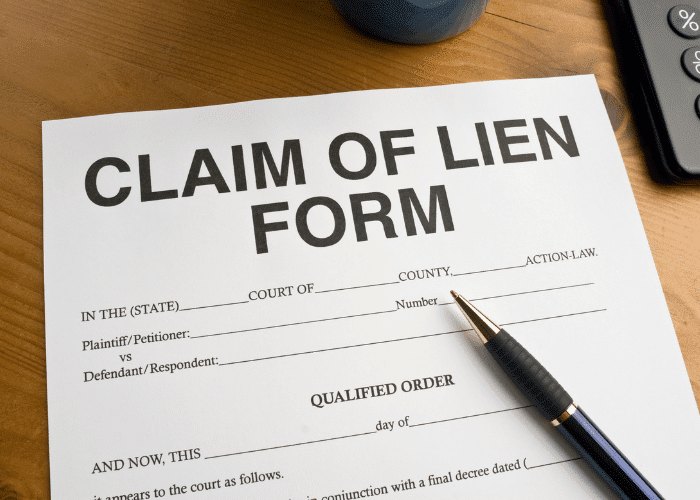
A lien is a legal claim against your house that a person or organization can file when you owe them money. It attaches to the property itself, not only to you, so it usually has to be paid off or resolved before you can sell the home with clear title. The most common lien is a mortgage, but unpaid property taxes, an unpaid contractor bill (a mechanic’s lien), and court judgments can all create liens too.
Types of Liens in New York
Mortgage liens are common. When you buy a house with a loan, the lender places a lien on the house. This lien gives the lender rights to your home if you fail to pay the mortgage.
The lender can order a foreclosure and keep the money you owe on your mortgage. The lender also requires repayment if you sell the loan. The lien amount changes as you pay down your mortgage balance.
Here are some other types of liens you may have on your New York property:
Mortgage Liens
The most common lien of all, and a voluntary one: you agreed to it when you borrowed. The lender holds a lien on the house until the loan is paid. At payoff, the lender records a satisfaction of mortgage so the record shows the lien is gone. Most Long Island homes carry one, and it is not a problem, it is just how home loans work.
Tax Liens
Tax entities can place liens on your house if you fail to pay the taxes you owe. For example, your county or state may place a lien on your house if you have overdue property taxes.
The Federal government may place a lien on your house if you owe tax money.
Mechanic's Liens
Building contractors can also use liens when you owe money. They use mechanic’s liens to place a financial claim on a home.
For example, suppose you hire a contractor to remodel your kitchen. If you owe the contractor money and won’t pay, they can place a mechanic’s lien on your house.
Like all liens, this one requires repayment if you sell your house.
Judgment Liens
A judgment lien is another type someone may place on your home. A creditor can place this on your home if a court rules against you in a case. The court must create a judgment for the creditor to file a lien.
Do liens expire? Judgment liens expire 10 years after someone places them on a property. However, a creditor may have the legal right to renew it.
Federal Tax Liens (IRS)
A homeowners association, condo board, or co-op can place a lien for unpaid common charges or assessments. On Long Island these show up most in condo and HOA communities in places like Holbrook, Coram, and Port Jefferson. Left unpaid, an HOA lien can grow with interest and legal fees, and in some cases the association can push toward foreclosure.
Medicaid Liens
New York can place a lien on the home of certain Medicaid recipients to recover care costs, usually in nursing-home situations. The rules have important exceptions (a spouse or certain family members living in the home can block or delay recovery). If one of these appears in a title search, this is an elder-law attorney conversation, not a DIY project.
Judgment Liens
When federal taxes go unpaid, the IRS can file a Notice of Federal Tax Lien that attaches to everything you own, including your house. Federal liens have their own removal process with real lead times, so they deserve early attention rather than last-minute scrambling.

How Long Does a Lien Stay on Your House in New York?
It depends on the lien, and “old” does not automatically mean “dead.”
A judgment lien on New York real property runs ten years from the judgment-roll filing and can be extended for another ten (CPLR 5203). The underlying debt is presumed paid only after twenty years (CPLR 211(b)), so a judgment from years ago can still be very much alive.
A mortgage lien lasts until the loan is paid, and then the satisfaction gets recorded (RPL 321). Property tax liens do not age out; they sit until paid and, left long enough, they start the county’s enforcement clock. Federal tax liens generally follow the IRS collection window, which runs about ten years but can be extended in some situations.
The honest takeaway: never assume a lien has expired. Pull the record at the county clerk, or have your attorney do it, and read the actual dates.
How Long Does a Lien Stay on Your House in New York?
There are five real paths, and which one applies depends on the lien and whether it is legitimate.
Pay it and record the release. The direct route: pay the debt, then make sure the creditor records a satisfaction or discharge. Do not skip the recording step; an unpaid-looking record causes problems years later.
Dispute it. Liens can be defective: wrong amount, wrong property, missed deadlines, or work that was never done as claimed. A contractor’s lien in particular has strict filing rules, and your attorney can challenge one that does not comply.
Bond it off. For a mechanic’s lien, New York lets you substitute a bond at 110 percent of the lien amount (Lien Law 19), which frees the house while the dispute continues against the bond instead.
Negotiate it down. Creditors with old judgments often settle for less than face value in exchange for actually getting paid and releasing the lien. Everything in writing, always.
Let it expire, carefully. Some liens do lapse, but as covered above, extensions and long debt presumptions make this the riskiest strategy. Verify with counsel before you count on a calendar.
If the reason you are dealing with the lien is that you want to sell the house, the removal usually happens AT the closing out of your proceeds, which is a different and often easier path: here is exactly how selling a house with a lien works in New York.

Frequently Asked Questions
Who can put a lien on your house in New York?
The county or state for unpaid property taxes, the IRS for federal taxes, a lender through your mortgage, contractors who worked on the house, creditors who win a court judgment, and an HOA or condo board for unpaid charges. Nobody can slap a lien on your house just by claiming you owe them; each type has its own legal filing process.
How do I find out if there is a lien on my house?
Search the public record at the county clerk: Nassau County Clerk records for Nassau, Suffolk County Clerk records for Suffolk, both searchable online by name. A title company or your attorney can run a full search that catches everything, which is exactly what happens automatically when you sell.
How long does a lien stay on your house?
Judgment liens run ten years and can be extended; mortgages last until paid; property tax liens sit until resolved; federal tax liens generally follow the IRS ten-year collection window. Old does not mean gone. Check the record before assuming anything.
If You Are Selling a House With a Lien
Liens complicate a sale, but they do not stop one. You can still sell, and each lien type clears its own way: paid off, released, bonded, or discharged at or before closing. We wrote a complete plain-English guide with every step, the Nassau and Suffolk specifics, and the primary sources: selling a house with a lien in New York.
If you want to skip the process entirely, we buy Long Island houses with liens for cash, as-is, and our title company handles the clearance. Before you hand a lien-heavy house to any cash buyer, confirm they are the real thing: here is how to tell whether a we buy houses company is a ripoff.
The full sale mechanics, lien by lien, are here: Can You Sell a House With a Lien on It in New York?