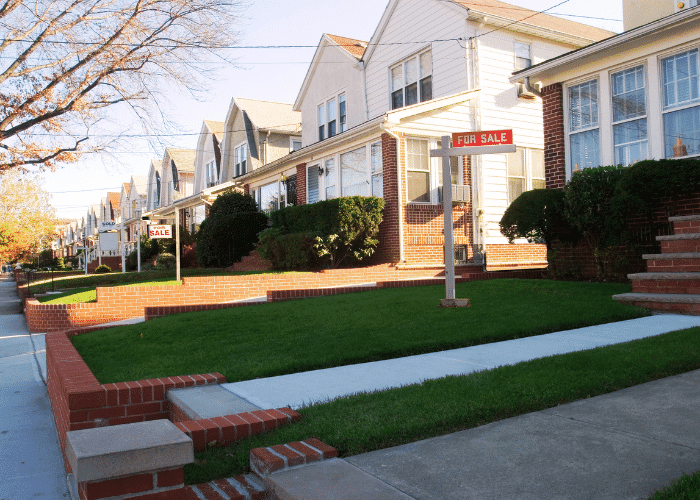
The Top Benefits of Selling Your Long Island Home to a Cash Buyer

The Top Benefits of Selling Your Long Island Home to a Cash Buyer

Currently, homeowners still carry an impressive mortgage rate averaging around 8%. Still, why pay hundreds and hundreds of dollars a month when you could get much more in return? While selling a home is always a stressful process, at the end of the day, selling to a cash buyer could give you the most bang for your buck.

Still not convinced? Keep reading to discover why selling your Long Island home to a cash buyer is always a good choice.

Benefits of Selling House Cash Long Island

Selling Your Long Island Home to a Cash Buyer

Here are some of the most significant advantages when selling your house to a cash buyer:

1. Quick and Efficient Process

Selling your Long Island home to a cash buyer offers a quick and efficient process that can save you significant time and effort. Unlike traditional methods of selling a home, which involves listing your property, finding a realtor, and waiting for potential buyers to make offers, selling to a cash buyer allows for a streamlined transaction.

Cash buyers are experienced professionals who specialize in buying homes quickly. They understand the market and have the necessary resources to close deals promptly. In many cases, cash sales can be completed within days to a few weeks. This means you can bypass the lengthy process of listing your home, scheduling showings, negotiating offers, and waiting for inspections.

Sell In Any Condition

Another advantage of selling to a cash buyer is eliminating the need for staging your home or making repairs. Cash buyers are typically willing to purchase properties in any condition. Whether your house requires extensive repairs, suffers from neglect, or is outdated, a cash buyer will still make you a fair offer. This saves you the stress and financial burden of preparing your home for the market, which can often be time-consuming and expensive.

2. Fair Cash Offer

One of the most attractive benefits of selling your Long Island home to a cash buyer is the assurance of a fair offer. Cash buyers are professionals who assess the market value of your home based on its current condition, location, and other relevant factors. To determine the cash offer, they consider the market trends and comparables to make a reasonable and transparent offer.

Unlike traditional home sales, where you must wait for potential buyers to place bids, cash buyers provide a straightforward and transparent offer, often without commissions or hidden fees. This means that the offer you receive from a cash buyer is typically solid, if not guaranteed.  This enables you to plan your finances and move forward with confidence. You won’t have to worry about appraisal gaps, loan contingencies, or buyers backing out at the last minute.

Fair Cash Offer For House on Long Island

Urgent Situations

Furthermore, cash buyers understand the urgency behind selling your home and aim to make the transaction as smooth as possible. They are accustomed to working with homeowners facing financial distress, foreclosure, or other urgent situations. They aim to provide a fair and expedited sale, giving you peace of mind and the necessary cash.

3. Convenience and Flexibility

Selling your Long Island home to a cash buyer offers convenience and flexibility. With a cash sale, you have the advantage of controlling the timeline. Unlike traditional home sales subject to buyer financing and other external factors, cash sales allow for a quicker closing process and the ability to choose a date that works best for you.

This flexibility is particularly beneficial for homeowners who are facing foreclosure, divorce, or any other personal circumstances that require a quick sale. These situations can be stressful and time-sensitive, and selling your home for cash provides the immediate relief and peace of mind you need. With a cash buyer, you can avoid the risk of your home being auctioned off or dealing with legal consequences.

No Repairs and Updates

In addition, selling to a cash buyer gives you the convenience of selling your home as-is without needing repairs or updates. This saves you not only time but also money that would otherwise have been spent on renovations or staging. Whether dealing with a property inherited from a family member or a home in disrepair, a cash buyer will make the selling process more accessible and convenient.

4. Avoiding Agent Commissions and Fees

When you sell your Long Island home to a cash buyer, you can avoid paying hefty agent commissions and fees associated with traditional home sales. In a typical real estate transaction, you would typically need to hire a real estate agent who charges a percentage of the sale price as a commission. On top of that, there may be additional costs associated with marketing, staging, and home inspections.

By choosing a cash buyer, you eliminate these expenses and keep more money in your pocket. Cash buyers do not charge commissions or fees, allowing you to receive the total amount agreed upon in the cash offer. This can make a significant difference in your overall financial situation and provide you with more funds to handle any pressing matters or invest in your future.

Smoother and More Reliable Process

Cash sales involve fewer parties and, consequently, more occasional potential hiccups in the process. With a traditional deal, you are reliant on the buyer’s financing, which may fall through or be subject to delay. Cash sales remove this uncertainty, making the transaction smoother and more reliable.

Easy selling house to cash homebuyer

Sell Your Home Fast on Long Island for Cash

Selling your Long Island home to a cash buyer offers numerous benefits that can make the process smooth, efficient, and convenient. By opting for a cash sale, you can save time and effort, receive a fair cash offer quickly, enjoy flexibility in choosing a closing date, and avoid paying agent commissions and fees. This option is especially advantageous for homeowners facing financial distress, foreclosure, divorce, or inheriting property. 

Don’t miss the opportunity to experience the benefits of selling your Long Island home to a cash buyer. Contact We Buy Long Island Homes Fast today to receive a fair, hassle-free cash offer tailored to your needs. Take the first step towards a swift and stress-free transaction. We’re here to support you every step of the way. See how we buy houses and learn more about the hassle-free selling process.

Guide for Homeowners: Selling During Divorce on Long Island Made Easy

Navigating the Complexities of Selling During Divorce on Long Island: A Guide for Homeowners

Are you experiencing divorce in Long Island and considering selling your home on the market?

The divorce rate in America is significant. This means that if your marriage ends in divorce, plenty of other people have gone through this same experience.  Because of this and knowing there is a need for divorced individuals in Long Island, finding the right home buyer when you need to sell your house is key.

If you live in the area and plan to get a divorce, here’s how to navigate the complexities of selling your home during a divorce on Long Island.

Selling house in divorce on long island

Understanding the Legal Implications of Selling During Divorce on Long Island

When going through a divorce, it’s crucial to understand the legal implications of selling your home on Long Island. Depending on the specific circumstances of your divorce, there may be certain legal requirements and considerations that need to be addressed before proceeding with the sale.

One important aspect to consider is the division of assets. In many divorce cases, a couple’s home is among the most significant assets to be divided. It’s essential to consult with your divorce attorney to determine how the house sale should be handled. Still, most importantly, the sale should involve a person or home-buying company with experience with these kinds of home-selling situations.

Spousal Rights When Selling

Additionally, Long Island has specific laws regarding spousal rights and consent when selling marital property. Both parties may need to provide their support or sign off on the sale, depending on the ownership arrangements and the stage of the divorce process. Your attorney will guide you through the necessary steps and ensure compliance with all legal requirements.

Next, it’s essential to be aware of any existing liens or encumbrances on the property. Any outstanding debts or obligations related to the home must be addressed before the sale can proceed. This includes mortgage payments, property taxes, and any other financial duties tied to the property. Your attorney, in collaboration with a real estate professional or local Long Island home buyer, can help identify and address these issues.

Working with a Divorce Real Estate Specialist

Navigating the complexities of selling a home during a divorce can be overwhelming, so working with a divorce real estate specialist can be invaluable. These professionals specialize in helping homeowners sell their properties during divorce proceedings and understand the unique challenges divorcing couples face.

A divorce real estate specialist will not only have expertise in the local Long Island market but also have extensive knowledge of the legal and financial aspects involved in selling a home during a divorce. They can guide you through the process, explain your rights and obligations, and provide valuable advice to help you make informed decisions.

Divorce Real Estate Specialists

One of the benefits of working with a divorce real estate specialist is their ability to act as a neutral party between divorcing spouses. Emotions can run high during a divorce, and having an impartial professional to mediate and facilitate communication can help ensure a smoother process. They can work with both parties to establish a fair market value for the property and negotiate an agreeable sale price.  The best part is, once everything is agreed to, they will purchase the house and take care of all the details.

selling your house to a divorce specialist home buyer

Determining a Fair Cash Offer for Your Home

When selling your home during divorce on Long Island, you’ll have to establish a fair cash offer that both parties can agree upon. A reasonable cash offer considers the current market conditions, the condition of the property, and any necessary repairs or improvements.

To determine a fair cash offer, a quality real estate investor or real estate agent will evaluate your home based on its condition, location, size, and comparable properties. They will provide an estimate of the property’s value, which can be a negotiation starting point. 

easy selling process for people going through a divorce

Streamlining the Sale Process

Selling a home during a divorce can be emotionally draining, and it’s essential to streamline the sale process to minimize stress. Here are some steps you can take to simplify the process:

  1. Get organized: Gather all relevant documents related to the property, including mortgage records, property tax information, and any legal documents related to the divorce. Having these documents readily available will expedite the sale process.
  2. Declutter and stage your home: Create an inviting atmosphere for potential buyers by decluttering and staging your home. Remove personal items and excess furniture to make your space more spacious and appealing. Consider hiring a professional stager for guidance on best showcasing your home.
  3. Set a reasonable listing price: Work with your divorce real estate specialist to set a competitive and affordable price. Pricing your home correctly will lead to a faster sale.
  4. Market your home effectively: If you choose to list your house with an agent, utilize various marketing channels to reach a broader audience. Your real estate agent should employ a mix of online listings, social media promotions, and traditional marketing methods to generate interest in your property.
  5. Negotiate and close the sale: Once you receive an offer, work with your divorce real estate specialist to negotiate the terms of the sale. Be open to compromises and try to find a solution that satisfies both parties. Once an agreement is reached, consult with your attorney to ensure all legal obligations are met and proceed with the closing process.

By following these steps and working with professionals experienced in selling homes during divorce, you can streamline the sale process and focus on your emotional well-being during this challenging time.

Get a Fair Cash Sale

Selling a home during divorce on Long Island may seem daunting, but with the proper knowledge and guidance, it can be navigated smoothly. By understanding the legal implications, working with a divorce real estate specialist, determining a fair cash offer, and streamlining the sale process, you can ensure a hassle-free and honest transaction.

Remember, consulting with divorce attorneys, real estate appraisers, and divorce real estate specialists is crucial to protecting your rights and interests throughout the home-selling process. By seeking their expertise, you can confidently make informed decisions and achieve a successful sale that meets your needs.

If you find yourself in the challenging situation of selling during a divorce on Long Island, don’t hesitate to contact We Buy Long Island Homes Fast. Our team of professionals understands the complexities surrounding divorce and can provide a fair cash offer for your home, ensuring a smooth and swift transaction tailored to your needs. Contact us by filling out our form or giving us a call to learn more and start the process.

Tax Implications of Selling an Inherited House on Long Island: Your Guide

The circumstances of your death have left your family with a difficult choice; how to move on from a loved one’s passing. Part of that choice is determining what to do with the property tied to their legacy. However, doing so may seem like trudging through the muddy waters of an urban legend.

Inheritance is on the rise, so you’re not alone.

You’ve heard that selling an inherited house doesn’t require paying taxes. You may have also heard that you should wait until a set period of time before doing so. Both of these are misconceptions, and it may be time to set the record straight.

Not only do we aim to do so in this article, but we also take a broader look at what to expect. In doing so, you’ll know what steps to take next.

Understanding the Basics of Selling an Inherited House

First, you need to determine whether you want to sell the property as-is or make any necessary repairs or renovations before listing it. Selling an inherited house in its current condition can save you time and money, but it may also affect the selling price. On the other hand, investing in repairs and upgrades can increase the property’s appeal and potentially lead to a higher selling price.

Another important aspect to understand is the timeline for selling an inherited house. Depending on the circumstances, you may need to go through the probate process before you can legally sell the property. Probate is the legal process of validating a will and distributing assets according to the deceased individual’s wishes. It’s essential to consult with an attorney who specializes in probate laws to ensure a smooth and legally compliant sale.

Additionally, you need to decide whether to list the property with a real estate agent or sell it for cash. Working with a real estate agent can help you navigate the selling process, market the property, and negotiate the best possible price. However, this option may involve additional costs, such as agent commissions and closing fees. 

Tax Implications of Selling an Inherited House on Long Island

When it comes to the tax implications of selling an inherited house on Long Island, several factors come into play. The first consideration is the fair market value of the property at the time of the inheritance. This value determines the base for calculating any potential capital gains tax owed.

Capital gains tax is the tax imposed on the profit made from selling an asset, such as an inherited house. The capital gains tax is calculated based on the difference between the selling price and the property’s cost basis. The cost basis is typically determined by the fair market value at the time of inheritance, but it can be adjusted for certain factors like improvements or renovations made to the property.

It’s important to note that while New York does not have its own separate capital gains tax, you may still be subject to federal capital gains tax. The rate of the tax depends on various factors, including your income tax bracket and the length of time you held the property before selling it.

To accurately determine your tax obligations, it’s recommended to consult with a tax professional who specializes in real estate transactions. They can assess your particular situation, calculate your potential tax liability, and provide guidance on any available deductions or exemptions.

Capital Gains Tax and Inherited Property

As mentioned earlier, capital gains tax is a significant consideration when selling an inherited house. However, there are certain provisions in place that can minimize or even eliminate the capital gains tax liability for inherited property.

One such provision is the stepped-up cost basis mentioned previously. When you inherit a property, the cost basis is adjusted to its fair market value at the time of the original owner’s death. This means that if the property has appreciated in value since the original owner purchased it, you can potentially avoid paying capital gains tax on that appreciation.

It’s important to keep in mind that the stepped-up cost basis only applies to inherited property. If you later make improvements to the property, you may be able to add those expenses to the adjusted cost basis and further reduce your capital gains tax liability.


For the full picture of how the tax works on any New York home sale, including the federal exclusion and the rates that actually apply, see our CPA guide to capital gains tax when you sell a house in New York.

Selling Inherited Property for Cash: Tax Benefits and Considerations

Selling your inherited house on Long Island for cash can provide several tax benefits and considerations. Selling to a cash buyer does not change your capital gains tax; no buyer can change that. What a direct cash sale changes is speed and certainty: no listing, no showings, and no waiting on a buyer’s financing. Your tax picture stays exactly what the law says it is, and a CPA can tell you what that means for your sale.

By selling for cash, you can bypass the need for extensive repairs or renovations typically required when selling a house through traditional channels. This not only saves you time, but it can also save you money, as these repairs and renovations can eat into your potential profit.

Moreover, selling your inherited house for cash often means a quicker and more streamlined transaction. Cash buyers can provide you with a fair offer and take care of all the paperwork and closing costs. This eliminates many of the potential complications and delays that may arise when selling through a real estate agent.

However, it’s essential to be aware of any tax implications that may arise from selling your inherited property for cash. Depending on your individual circumstances, you may still have to consider other tax obligations, such as the federal capital gains tax. Working with a tax professional who has experience in real estate transactions can help you navigate these considerations and optimize your tax outcome.

Long Island Real Estate Market and Tax Implications

The Long Island real estate market is known for its high property values and attractive investment opportunities. When selling an inherited house on Long Island, understanding the market conditions and how they relate to the tax implications is crucial.

The market value of your inherited property can directly impact your tax obligations. If the property has appreciated in value since the time of the original owner’s purchase, you may have a higher potential capital gains tax liability. On the other hand, if the property has experienced a decline in value, you might be able to claim a capital loss.

It’s also essential to consider local tax laws and regulations that may affect your tax obligations when selling an inherited house on Long Island. These laws can vary depending on your specific location within Long Island. 

Get Help With Selling a House on Long Island

In conclusion, selling an inherited house on Long Island involves various tax implications that require careful consideration. Understanding these tax obligations and benefits is crucial to making informed decisions and minimizing your tax liability.

By familiarizing yourself with the basics of selling an inherited house, understanding the tax implications specific to Long Island, and exploring key considerations such as capital gains tax and selling for cash, you can navigate the selling process with confidence and optimize your financial outcome. 

If you need help selling a house on Long Island, contact us today to see how we can help you with selling an inherited property.

Selling Inherited Property on Long Island: A Comprehensive Guide to the Probate Process

Selling Inherited Property On Long Island: The Process

If you are considering selling an inherited property on Long Island, you may need to go through the probate process.  If so, this guide will get you started in the right direction. 

The probate process involves filling out paperwork, finding the will and the executor, and hiring an attorney to navigate the court system.  While every situation is unique, most straightforward probate cases only take a matter of weeks to complete.  There are often cases where someone inherits a property and probate isn’t even necessary to start with. 

Want to learn how to go through the probate process for selling inherited property on Long Island? If so, then follow these steps.

Selling An Inherited House On Long Island

Before the Probate Process in Long Island

Before you even get to the probate process, there are a few steps to take. Here’s what to do.

1. Confirm Your Ownership

Make sure that the deceased individual had ownership of the property.  Occasionally, there are instances where the deceased individual has joint ownership.  Before beginning the probate process and everything that goes along with it, you want to make sure that you will end up with the result you are looking for: successfully selling the inherited property.

2. Assess The Property

Before deciding on who to sell to and how to sell the property, assess its condition and value. You may want to hire a professional appraiser or a real estate agent to provide you with a fair market value estimate.  On the other hand, you may want to sell the property directly to a local cash house buyer without making any repairs who has experience purchasing inherited houses and can help you throughout the process.

3. Determine Your Goals With the House

Decide on your goals for selling the property. Are you looking to sell quickly, or are you willing to wait for the best offer? Your timeline and financial needs will influence your selling strategy.

Starting The Probate Process on Long Island

The probate process is a legal procedure that takes place after someone passes away to validate their will (if they have one) and distribute their assets to heirs or beneficiaries. The specific details and steps involved in probate can vary by jurisdiction, but here is a general overview of the process.

Starting The Probate Process on Long Island

Filing a Petition

The probate process begins when a petition is filed with the appropriate court. This petition can be filed by the executor named in the deceased person’s will or by an interested party (often a family member or beneficiary) if there is no will.

Notification of Interested Parties

Once the petition is filed, the court will notify all interested parties, including heirs, beneficiaries, and creditors, that the probate process has started.

Appointment of Executor

If there is a will, the court will typically appoint the person named as the executor in the will. If there is no will and you have decided to still utilize the probate process to sell your Long Island house, the court will appoint an administrator to oversee the estate.

Inventory and Appraisal

The executor or administrator is responsible for identifying and taking an inventory of the deceased person’s assets, including real estate, bank accounts, investments, personal property, and debts. An appraisal may be conducted to determine the value of certain assets like a house unless there the executor is considered independent.  In this case, they have the ability to sell the house for any price they believe is fair.

Notification of Creditors

Creditors must be notified of the probate proceedings, giving them an opportunity to make claims against the estate for any outstanding debts. The estate is responsible for paying valid debts.

Review and Approval by the Court

The court reviews the inventory, appraisals, and any claims by creditors. Once satisfied that all necessary steps have been taken, the court approves the distribution of assets to heirs or beneficiaries which would include the sale of the house.

Final Accounting

The executor or administrator provides a final accounting of all financial transactions related to the estate, including income received, expenses paid, and asset distribution. This accounting is submitted to the court for approval.

Closing the Estate

Once the court approves the final accounting and is satisfied that all debts and taxes have been paid and assets distributed correctly, it will issue an order to close the estate.

The executor or administrator distributes any remaining assets to heirs or beneficiaries, and the estate is officially closed.

After the Probate Process: Selling The House

After the probate process, there are still a few steps you need to take. Here’s what they are. 

Selling A House After Probate on Long Island

Clean and Prepare the Property

Before listing, it’s a good idea to clean and make any necessary repairs or improvements. A well-maintained property typically sells for a higher price.  However, if the property you inherited needs repairs and the estate isn’t going to make the repairs, there’s no need to clean out the house or make repairs if you are going to sell directly to a cash house buyer like We Buy Long Island Homes Fast.

Hire a Real Estate Agent or Negotiate Offers From Home Buying Companies

While it’s possible to sell a property on your own (For Sale By Owner or FSBO), most people find it beneficial to hire a real estate agent who knows the local market and can handle negotiations, paperwork, and marketing.

Work with your real estate agent to determine an appropriate listing price based on the property’s value, market conditions, and your selling goals. Your agent will create a marketing plan to attract potential buyers. This may include listing the property on multiple websites, hosting open houses, and advertising in local publications.

If this process seems like a lot of work, it can be.  Some people choose to sell their inherited house quickly for cash and avoid paying fees and commissions.  When you elect to use this route, you choose the closing date, avoid making repairs, and collect your cash quickly.

Go Through the Closing Process

Your attorney and real estate agent or real estate investor will guide you through the closing process, which includes signing legal documents, transferring ownership, and distributing the proceeds from the sale.

Be aware of any tax implications associated with the sale of inherited property. Depending on your specific situation and the current tax laws, you may owe capital gains tax or other taxes.

Consider consulting with an estate planning attorney to determine the best way to manage the proceeds from the sale and minimize tax liability.

Once all paperwork is complete, and the transaction is closed, you can distribute the proceeds among the heirs as specified in the will or as determined by the court.  

Selling Inherited Property On Long Island

In conclusion, selling an inherited property on Long Island and the probate process can seem daunting.  However, once you have the proper information and understand the process as we laid it out, you can navigate the process with the proper expectations. 

If you need additional help selling your house on Long Island or would like a second opinion from professionals who have purchased many inherited homes over the years, reach out to We Buy Long Island Homes Fast.  We’ll answer any questions you have with zero obligation.  We’re here to help!

Selling An Inherited House To A Home Buying Company

Understanding the Hidden Costs of Traditional Home Sales on Long Island

Understanding the Hidden Costs of Traditional Home Sales on Long Island

Learning the Cost of Selling With A Realtor

Selling a house with a realtor is the most common way to sell your house on Long Island.  However, there are costs involved such as real estate commissions and closing costs.  These are the common costs that we think of when selling a house.  There are other costs that most people don’t think of such as repairs, fees, the cost of negotiations, surveys, and more.  Discovering these costs can come as a surprise and has many homeowners on Long Island considering selling their house without a realtor and using a direct cash buyer instead.

When it comes to traditional home sales, one of the biggest expenses that homeowners face is the cost of repairs. Potential buyers often request repairs or renovations to be done before finalizing the purchase, and sellers are usually responsible for funding these repairs. This aspect can become a major financial burden, as repairs can be expensive and time-consuming.

It is important to note that houses in need of repairs are often listed at a lower price to attract buyers, as they are aware of the additional costs involved. However, even if the house is priced lower, sellers may need to invest a substantial amount of money to bring their property up to par.

Read on to find out more about the hidden costs of traditional home sales. 

Repairs to Consider in Regards to Traditional Home Sales

Whether it’s a cracked foundation, leaky roof, outdated electrical wiring, or plumbing issues, these repairs can drain your finances and eat into your potential profit. The average homeowner can end up spending around 10% of their home’s value on repairs and improvements, which can amount to thousands of dollars. Moreover, the timeline for completing repairs can delay the selling process, leaving homeowners in a state of uncertainty.

If you decide to sell your house before making repairs, you can expect a home inspection that will result in repair negotiations.  Often, buyers want a premium price for the cost of repairs.  Some buyers are turned off by a house that has a home inspection that shows lots of deferred maintenance.  In this case, a buyer might walk away from a transaction completely.

By selling your house for cash on Long Island, you have the option to bypass the need for repairs altogether. Cash buyers are often willing to purchase properties in any condition. They understand that not all homeowners have the financial means or desire to invest in updating and fixing up their homes before selling. This means that you can sell your home as-is, without spending a penny on repairs, saving you both time and money.


Commissions: A Chunk of Your Potential Profit

Saving on Real Estate Commissions When Selling Your House

Another significant hidden cost that arises in traditional home sales is the commission paid to real estate agents. In most cases, realtors charge a commission fee that typically ranges from 5 to 6% of the final sale price. For instance, if your house were to sell for $500,000, you could expect to pay approximately $25,000 to $30,000 in commissions.

While real estate agents provide valuable services, including marketing your property and negotiating with potential buyers, their commission fees can significantly impact your bottom line. For homeowners who are looking to maximize their profit, this expense can come as an unwelcome surprise.

When you sell your house quickly for cash on Long Island, there are no commissions to worry about. Cash buyers operate independently and do not charge any fees or commissions. Instead, they offer a fair price for your property based on its current condition and market value. This means that the offer you receive is the amount you will walk away with, with no deductions.

Not having to pay a commission fee can make a substantial difference in the final amount you receive for your home. It allows you to keep more of your hard-earned money and use it for other purposes, such as paying off debts, investing in a new property, or funding your next venture.

Closing Costs: Another Expense to Consider

In addition to repairs and commissions, traditional home sales on Long Island also come with closing costs. These costs refer to the fees and expenses associated with finalizing a real estate transaction. They can include loan origination fees, appraisal fees, title insurance, attorney fees, and other charges. On average, closing costs can range from 2 to 5% of the home’s sale price.

Paying closing costs can be a significant financial burden for sellers, especially if they are already on a tight budget. These costs are typically settled during the closing process when all the necessary paperwork is signed, funds are transferred, and ownership of the property is transferred to the buyer.

However, when you sell your house quickly for cash, you may be able to avoid these additional expenses. Cash buyers often cover all closing costs, saving you thousands of dollars. This means that the offer you receive is the net amount you will receive at closing, without any surprise expenses or last-minute deductions.

By not having to pay closing costs, sellers can enjoy a more straightforward and more transparent selling experience. It allows them to have a clearer understanding of the final amount they will receive and eliminates any potential financial surprises or obstacles that may arise during the closing process.

Miscelaneous Costs That Add Up

Besides some of the bigger ticket cost items you will likely incur when selling your house the traditional way with a realtor, there are other fees you will likely incur that are smaller but add up quickly.

1. Staging Costs

Many Realtors ask or require you to have your home professionally staged.  This can be costly depending on the size of your home and how much staging is done.  While some Realtors do pay for a part or all of this service, many don’t.

2. Professional Pictures

Professional photographs are just about a requirement with most real estate agencies.  This can set you back several hundred dollars in most cases. 

3. Home Warranty

In today’s real estate market, most retail home buyers negotiate for a home warranty to be paid for by the seller.  This can be anywhere from $500-$1,000. 

4. Property Tax Prorations

Most people don’t realize that while the property taxes may be paid, there are pro-rated taxes that are calculated and assessed upon the sale of the home. This is often unexpected and eats into your bottom line. 

5. Buyer Closing Cost Credit

In a traditional home sale transaction, it is very common for the buyer to successfully negotiate for the seller to pay for some or all of their closing costs.  While your sales price number may be higher, your bottom line can end up much lower.  This is because buyers routinely get credits that can be up to $15,000 toward their closing costs paid for by the seller.

Consider These Things With Traditional Home Sales

In conclusion, traditional home sales on Long Island come with a range of hidden costs that can significantly impact your potential profit. From the expenses of repairs to the hefty commissions and closing costs, these financial burdens can quickly eat into your bottom line. However, selling your house quickly for cash offers a more desirable alternative.

By choosing to sell your house for cash, you can bypass the need for expensive repairs, saving you both time and money. Cash buyers are often willing to purchase properties in any condition, allowing you to sell your home as-is without spending a penny on renovations.

Additionally, cash buyers do not charge any commissions, ensuring that you receive the full amount offered without deductions. This means that you can keep more of your hard-earned money and use it for other purposes. Moreover, cash buyers often cover all closing costs, eliminating any surprise expenses in the transaction.

If you’re looking to avoid the hidden costs associated with traditional home sales on Long Island, consider selling your house quickly for cash.

Contact us today to receive a fair cash offer and discover a hassle-free way to sell your home. Don’t let hidden costs eat into your profit.  Choose a faster and more cost-effective option.

Why Landlords on Long Island Are Selling Their Rental Properties

Why Landlords on Long Island Are Selling Their Rental Properties

With nearly 70 percent of Americans owning their own home, should you go through the stress and lengthy process of remaining a landlord on Long Island? All of the many hoops, regulations, and anxieties involved with being a landlord cause many to reconsider.  They are saying things like the benefits don’t outweigh all the work it takes to be in that position. Selling a rental property on Long Island can be a hassle, especially if the tenants are still there,  but if you do it right, it will benefit you in the long run.  Find out why there are so many landlords selling their properties on Long Island.
selling a rental property on long island

Why Landlords on Long Island Are Selling Their Rental Properties

Landlords on Long Island have begun selling their rental properties due to numerous factors. These include increasing property taxes, rising costs of maintaining the property, and more restrictive laws limiting tax deductions from rental income. The new rental laws now limit deductions to a maximum of $25,000.

Additionally, some landlords may also be selling their properties because of the rising cost of living on Long Island. With the increasing cost of living, landlords find it difficult to earn a substantial profit from their rental property. Many landlords may also be selling their property because they can not keep up with competition from larger rental companies and homeowners on the market. With all these factors combined, it’s no surprise that landlords on Long Island have started to sell their rental properties.

Selling Rental Properties to Direct Buyers

In recent years, there has been a significant increase in the popularity of cash offers for rental properties on Long Island. Cash offers provide a convenient and efficient way for landlords to sell their properties quickly and without the complications associated with traditional financing. This rise in cash offers can be attributed to several factors.

Firstly, landlords on Long Island are attracted to cash offers because they provide immediate liquidity. By accepting a cash offer, landlords can access their funds quickly, allowing them to move on with their lives or invest in other ventures. This is especially beneficial for landlords who are facing financial constraints or seeking new investment opportunities. The speed of cash offers eliminates the need to wait for a buyer to secure financing, which can be a lengthy and uncertain process.

Furthermore, cash offers provide landlords with a sense of security. These offers are not dependent on the condition of the house.  Oftentimes, rental properties have some deferred maintenance issues, and selling to a direct Long Island homebuyer means the ability to sell the rental property as-is. 

Typically, landlords love selling as-is because it means there aren’t any repair negotiations later down the road and it can lessen their liability as compared to selling to a typical owner-occupant. 

Hassle-Free Selling Process

Selling a rental property through traditional methods can be a complex and time-consuming process. Landlords often have to navigate inspections, repairs, and the involvement of real estate agents, which can lead to stress and high costs. However, by selling to a cash buyer, landlords can enjoy a hassle-free selling experience.

Cash buyers like We Buy Long Island Homes Fast streamline the selling process by purchasing rental properties in their current condition. This means that landlords do not have to worry about difficult inspections, bad appraisals, or any of the other unknowns that can disrupt a sale when selling the traditional route with a realtor.

easy way to sell rentals long island

Additionally, working with a cash buyer eliminates the need for listing the property, showcasing it to potential buyers, and negotiating with multiple parties. Cash buyers typically make direct offers, simplifying the entire selling process. This efficiency allows landlords to market and sell their properties quickly as-is without making repairs and move on with their lives.

Furthermore, selling to a cash buyer removes the burden of real estate agent fees and commissions. In a traditional sale, landlords are responsible for paying these fees, which can be a significant amount. By selling to a cash buyer, landlords can save thousands of dollars and keep the full amount from the sale of their rental property.

Instant Liquidity Adds Value

cash for rental properties new york

When landlords decide to sell their rental properties, many are looking for a fast and efficient sale that meets their immediate needs. Traditional real estate transactions can often take several months to complete, as landlords have to wait for potential buyers to secure financing and go through the lengthy closing process. However, with a cash sale, landlords can enjoy a much quicker transaction.

Cash buyers specialize in providing speedy transactions, often completing the sale within weeks or even days. This quick cash sale enables landlords to access the funds they need in a timely manner. Whether they need the cash to pay off debts, invest in other properties, or tackle personal expenses, a quick sale can provide the financial flexibility and freedom that landlords desire.

Moreover, a quick cash sale can be particularly beneficial for landlords who are facing challenging situations or life events. For example, landlords going through a divorce, experiencing financial difficulties, or dealing with inherited properties can find comfort in a fast sale that allows them to promptly address their circumstances. The ability to sell quickly and receive cash offers landlords a sense of control and stability during uncertain times.

Benefits of Selling Long Island Rental Properties

The benefits of selling rental properties on Long Island are substantial. In the current market, prices for rental properties are at an all-time high. This gives landlords the opportunity to raise their asking price and make a hefty profit. Another benefit of selling rental properties, is that it alleviates some of the strain of managing tenants. Landlords don’t have to handle the costs of maintenance, taxes, and any other associated costs.

Additionally, by disposing of rental properties, landlords can purchase property in other areas or focus on revamping their existing properties in order to create higher returns. Lastly, the steady increase in population on Long Island has made the demand for rental properties greater than ever before. This gives landlords the leverage to get the most out of a sale. All of these factors make selling rental properties on Long Island an attractive option.

selling a rental with tenants on long island

Find Out The Cash Value of Any Long Island Rental Property

In conclusion, the rising popularity of cash offers for rental properties on Long Island can be attributed to the many advantages they bring to landlords. Cash offers provide immediate liquidity while eliminating the complexities and stress associated with traditional financing. Additionally, these offers streamline the selling process, saving time and money for landlords. The ability to sell quickly for cash gives landlords the flexibility they need to meet their financial goals and move forward.

If you are a landlord on Long Island looking to simplify your life and sell your rental property hassle-free, it’s worth considering a cash offer. See how our process works today to explore this stress-free selling option and take the first step towards a brighter future.

Understanding the Foreclosure Process on Long Island: A Comprehensive Guide

Foreclosure is such a serious and damaging matter that demands your attention. If you’re at risk of losing your home, it may feel like the world is against you. However, you have rights, and homeownership is a right, too.

The foreclosure process is more complex than you know, however. Do you know where you stand?

Read on for a breakdown of the Long Island foreclosure process.

Understanding the Foreclosure Process on Long Island: A Comprehensive Guide

Understanding the foreclosure process on long island

Understanding the Foreclosure Process on Long Island

Did you know that 1 in every 688 Long Island homes is currently in foreclosure? Facing foreclosure can be a daunting and overwhelming experience for any homeowner. If you find yourself in this situation, it’s crucial to understand the foreclosure process and familiarize yourself with your options. This comprehensive guide will provide you with the necessary information to navigate through this difficult time and make informed decisions.

Before we dive into the details, let’s start with a relevant statistic. According to recent data, Long Island has one of the highest foreclosure rates in New York State. This staggering statistic highlights the importance of being well-informed about the foreclosure process and the resources available to homeowners facing this situation.

Most Long Island foreclosures start with a lien. If you are weighing a sale before the auction, here is how selling a house with a lien actually works at a New York closing.

1. Notification of Default

The foreclosure process typically begins when the homeowner falls behind on mortgage payments. After several missed payments, the lender will send a Notice of Default, informing the homeowner that they are in breach of their loan agreement and may face foreclosure if the outstanding payments are not made.

Receiving a Notice of Default can be alarming, but it’s important to remember that this is not the end of the road. It serves as a warning and an opportunity for homeowners to take action. Contacting your lender as soon as possible is critical at this stage. Discuss your financial situation with them and explore options to bring the loan current.

2. Pre-Foreclosure Stage

During this stage, the lender will schedule a foreclosure auction date. However, homeowners still have an opportunity to prevent foreclosure by either catching up on missed payments or working out a repayment plan with the lender.

If financial difficulties continue to hinder your ability to make mortgage payments, consider reaching out to the lender to request a loan modification. A loan modification involves negotiating new terms for your mortgage, such as a lower interest rate, extended loan term, or adding missed payments to the end of the loan. This option can help make your monthly payments more affordable and prevent foreclosure.

Alternatively, you can pursue a short sale during the pre-foreclosure stage. A short sale involves selling the property for less than the amount owed on the mortgage. This allows you to avoid foreclosure and satisfy the debt with the lender. Real estate professionals can assist you in navigating this process and finding a buyer for your home at a fair market value.

3. Foreclosure Auction

If the homeowner is unable to resolve the default, the property will be sold at a foreclosure auction. Bidders, including investors and the lender, will have an opportunity to bid on the property. The highest bidder will take ownership of the property.

Once the auction takes place, the homeowner’s right to the property is terminated, and they must vacate the premises. The winning bidder becomes the new owner and assumes responsibility for the property. It’s important to note that foreclosure auctions are typically cash-only sales, and the winning bidder must pay the full amount within a specified time frame.

Options For Preventing Foreclosure Before the Auction

Once the property is sold at auction, the homeowner loses all rights to the property. The new owner, typically the successful bidder or the lender, takes possession of the property.

If you find yourself in the post-foreclosure stage, it’s essential to explore your options for finding new housing. Depending on your situation, you may consider renting a new home or exploring alternative housing options available in your area. 

If you are still facing foreclosure, there are options you may still have at your disposal.  The sooner you explore these options the better your chances are of avoiding foreclosure.  Below are some of the options.  Even more options are available for stopping foreclosure before it’s too late. 

1. Loan Modification

A loan modification is a possible option to help homeowners prevent foreclosure. This process involves renegotiating the terms of the mortgage with the lender, such as adjusting the interest rate or extending the repayment period.

Financial stability is crucial when it comes to negotiating a loan modification. Providing documentation that showcases your financial hardship and the efforts you’re making to improve your situation can strengthen your case. It’s also advisable to consult with a foreclosure defense attorney or a housing counselor who can advocate on your behalf and guide you through the process.

2. Foreclosure Assistance Programs

Various foreclosure assistance programs are available for homeowners on Long Island. These programs provide counseling, financial assistance, and resources to help homeowners navigate the foreclosure process and explore alternative solutions.

One of the available resources is the New York State Homes and Community Renewal (HCR) initiative, which focuses on preventing foreclosure and stabilizing communities. HCR provides counseling services and financial assistance programs to help struggling homeowners stay in their homes and avoid foreclosure.

Additionally, local non-profit organizations, such as Long Island Housing Services, offer foreclosure prevention counseling and legal assistance. These organizations have experienced professionals who can guide you through the process, provide resources, and offer support during this challenging time.

3. Hiring a Foreclosure Defense Attorney

If you’re facing foreclosure, it may be beneficial to consult with a foreclosure defense attorney. They can review your situation, provide legal advice, and guide you through the process of defending against foreclosure.

A foreclosure defense attorney can assess the validity of the foreclosure proceedings, ensure your rights are protected, and explore potential defense strategies. They can negotiate with the lender, represent you in court if necessary, and help you navigate the complex legal aspects of the foreclosure process.

Preventing Foreclosure on Long Island: Your Next Steps

If you are a homeowner on Long Island facing foreclosure, it’s crucial to take immediate action. Here are some recommended steps to consider:
How to prevent foreclosure long island
  1. Contact your lender: Communicate with your lender to discuss options for resolving the default and preventing foreclosure. Be proactive and transparent about your financial situation to increase the chances of finding a suitable solution.
  2. Explore foreclosure prevention resources: Research the foreclosure assistance programs available on Long Island to learn about the resources and support that can help you through this challenging time. Reach out to non-profit organizations, housing counseling agencies, and government programs that provide foreclosure prevention services.
  3. Consult with professionals: Seek guidance from a foreclosure defense attorney or a reputable real estate company specializing in house-buying solutions for homeowners facing foreclosure. These professionals can offer invaluable advice, negotiate on your behalf, and help you make informed decisions about your options.
  4. Consider a quick cash sale: If you’re looking for a fast, stress-free solution, selling your house for cash may be an option to consider. Companies like “We Buy Long Island Homes Fast” offer cash for houses and can provide a quick and hassle-free sale process. Selling your house for cash allows you to avoid foreclosure, get a fair price for your home, and eliminate the added stress of repairs or staging.

Selling Your Long Island House to Prevent Foreclosure

Facing foreclosure is undoubtedly a difficult and stressful situation for any homeowner on Long Island. However, understanding the foreclosure process and exploring your options can empower you to make informed decisions and take control of your situation. By reaching out for assistance and considering alternatives like a quick cash sale, you can find a way to navigate this challenging period and move forward.

Remember, We Buy Long Island Homes Fast is here as a resource.   There are also other resources and professionals available to support you through the foreclosure process. Take action today and protect your home and financial future. See how our process works to learn more about selling your house to avoid foreclosure.  

Determining a Fair Cash Offer for Your Long Island Home: A Guide for Quick and Easy Sales

Determining a Fair Cash Offer for Your Long Island Home

A Guide for Quick and Easy Sales

Are you interested in selling a house but have nowhere to start? Perhaps you’re tangled up in the selling process and want to speed it up.

You’ll need to get a fair cash offer from a legitimate cash buyer. Sounds easy, but how do you know if it’s fair when selling your Long Island home?

Well, if you follow our guide, you’ll be on your way to know more about quick and easy sales. Let’s dive right in.

best cash offer on long island

Understanding Market Factors That Impact Fair Cash Offers

Determining a fair cash offer for your Long Island home requires a thorough understanding of the market factors that influence property values. By considering the following elements, you can gain insights into your property’s worth and negotiate a fair deal.

1. Location, Location, Location

The location of your Long Island home plays a significant role in determining its value. Long Island is known for its desirable neighborhoods, beautiful scenery, and proximity to New York City. Houses located in prime areas with easy access to schools, parks, transportation hubs, and job opportunities tend to attract higher cash offers.

Neighborhood reputation also plays a crucial role. Buyers are often willing to pay a premium for homes in safe, vibrant communities with excellent amenities. If your home is in a sought-after neighborhood with a strong local market, you can expect a higher cash offer. However, if it’s in a less desirable location or struggling neighborhood, the offer may be lower.

2. Condition of Your Home

When selling your house as-is, it’s crucial to recognize that its current condition affects its market value. A well-maintained home with minimal repairs needed is likely to attract higher cash offers compared to a property requiring significant renovations.

Before determining your fair cash offer, take an objective look at your home’s condition. Consider factors such as the age of the roof, the condition of the HVAC system, the state of the plumbing and electrical systems, and any visible damages. It might be worth investing in minor repairs or cosmetic upgrades to increase the value of your home and attract higher offers.

3. Market Trends and Comparable Sales

Staying informed about the current real estate market trends is essential when determining the fair cash offer for your Long Island home. Research recently sold properties in your area that are similar in size, condition, and location to gain a better understanding of the market value.

Look at the sale prices, time on the market, and unique features of these comparable homes. This information can help you align your expectations and ensure that your cash offer is fair and competitive. If the market is experiencing high demand and low supply, you may have more negotiating power to secure a higher cash offer.

Negotiating the Best Value for Your Home

Once you have a clear understanding of the market factors that impact your fair cash offer, it’s time to negotiate the best value for your Long Island home. Here are some strategies to help you secure a fair deal.

getting a cash offer for a house on long island

1. Seek Multiple Cash Offers

Don’t settle for the first cash offer you receive. Reach out to reputable cash buyers in the area to get multiple offers and compare them. Gathering multiple offers not only helps you determine the fair market value of your home but also allows you to consider different terms and conditions offered by various buyers.

2. Highlight Your Home's Unique Features

In order to attract higher cash offers, it’s important to present your home in the best light possible. When presenting your home to cash buyers, make sure to highlight any unique features and selling points that differentiate it from other properties in the market.

Consider the layout, architectural details, unique amenities, and recent upgrades or renovations. Whether it’s the spacious backyard, upgraded appliances, or a newly renovated kitchen, emphasizing these aspects can potentially increase the perceived value of your home and attract higher cash offers.

Professional staging can also make a significant difference. By presenting your home in a way that showcases its full potential, you can create a lasting impression on potential cash buyers. A well-staged home allows buyers to visualize themselves living in the space, increasing the likelihood of a higher cash offer.

3. Consider Timing and Urgency

Timing is crucial when negotiating a fair cash offer. If you’re in a rush to sell your home, cash buyers may be motivated to offer a higher price to secure a quick deal. They understand the importance of timing for homeowners who are facing financial difficulties, foreclosure, or simply want to move on quickly.

On the other hand, if you have the luxury of time, you can hold out for the right offer that meets your expectations. However, it’s important to balance patience with the ongoing costs and inconveniences of owning a property that you no longer want or can afford to maintain.

Communicate any urgency or flexibility with cash buyers to negotiate the best value for your Long Island home. Be transparent about your timeline and expectations. A reputable cash buyer will understand your situation and work with you to find a mutually beneficial solution.

Find The Right Long Island Cash Homebuyer

long island cash house buyer mike plactere

Congratulations! You’ve learned how to determine a fair cash offer for your Long Island home. By understanding market factors such as location, the condition of your home, and market trends, you can confidently negotiate the best value for your property.

Remember to seek multiple cash offers, highlight your home’s unique features, and consider timing and urgency during the negotiation process. And if you’re looking for a hassle-free selling experience, We Buy Long Island Homes Fast is here to help.

Now is the time to take action and sell your Long Island home for cash. Contact us today or see how our offer process works to get your fair cash offer. Don’t wait any longer; start the process of selling your home quickly and easily, without the need for repairs or real estate agents.

Selling Without a Realtor: Is it the Right Choice for Long Island Homeowners

Selling Your House Without A Realtor: How To Make The Right Choice

Instead of finding a realtor, there are several apps dedicated to buyers and sellers. Many of these apps have made selling your home convenient, fast, and hassle-free.

How exactly can you sell a house without a realtor? What are the most prominent apps in the process? If you are looking to sell your house quickly and easily, here’s how selling your house without a realtor works.

Pros and Cons of Selling a House Without a Realtor

Pros and Cons of Selling a House Without a Realtor

Houses selling fast without a realtor on long island

The decision of whether or not to use a Realtor when selling one’s house on Long Island is an important one. On the one hand, selling without a Realtor may seem attractive due to its potential to reduce fees and save time. However, using a local Realtor has many long-term benefits that may outweigh the immediate savings from opting out.

Realtors are highly trained experts in the market and can provide valuable advice on pricing strategies, negotiation techniques, and home repairs. Moreover, working with a Realtor can also give Long Island homeowners the assurance of creative marketing, a simpler and quicker negotiation process, and the protection of commingled funds. Ultimately, when making this important decision, Long Island homeowners must weigh the short and long-term implications of each option.

Convenience and Speed:

getting a cash offer without a realtor

Selling a house without a realtor can offer a level of convenience and speed that traditional selling methods may not provide. When you sell without a realtor, you have control over the entire process and can set your own timeline. This means that if you’re in a hurry to sell your home, you can do so without the delays of listing your property, scheduling showings, and waiting for potential buyers to make offers.

In addition to having control over the process, selling without a realtor can save you time and effort in several ways. Firstly, you don’t have to spend time searching for and vetting a real estate agent. Secondly, you can avoid spending time preparing your home for showings and open houses. Thirdly, you don’t have to wait for buyers to secure financing and go through the lengthy closing process. By eliminating these time-consuming steps, you can sell your home quickly and move on to the next chapter of your life.

No Need For Extensive Paperwork

Additionally, selling without a realtor eliminates the need for extensive paperwork, negotiations, and back-and-forth with agents. You won’t have to deal with the paperwork and legalities that come with listing a property through a realtor. Without the involvement of agents, you can have direct communication with potential buyers, which can speed up the negotiation process. This direct communication allows you to quickly address any concerns or questions potential buyers may have and increase the chances of sealing the deal.

However, it’s important to note that selling without a realtor also comes with certain drawbacks. For example, without the guidance of a realtor, you may find it challenging to determine the optimal listing price for your home. Pricing your home too high could result in a lack of interest from buyers while pricing it too low could mean losing out on potential profits. It’s crucial to thoroughly research the market and compare recent sales in your area to ensure you price your property competitively.

Cost Savings When Selling Your House:

One of the main advantages of selling a house without a realtor is the potential for cost savings. By eliminating the need for a realtor, you can avoid paying hefty commissions and fees, which can be as high as 6% of the sale price. This means that you get to keep more of the profit from the sale of your home.

In addition to avoiding commissions, selling without a realtor also eliminates the need for costly repairs and upgrades often requested by buyers during the negotiation process. When you sell your home as-is, you don’t have to invest time and money into fixing up your property. This can save you both time and money, particularly if you’re facing time constraints or have a limited budget.

Furthermore, without a realtor, you won’t have to worry about incurring holding costs. These costs can include mortgage payments, property taxes, insurance, and maintenance fees, which continue to add up the longer your property stays on the market. By selling your home quickly on your own, you can avoid these ongoing expenses and potentially increase your overall profitability.

The Expertise of a Realtor

On the other hand, the cost savings of selling without a realtor can be counterbalanced by the potential for financial pitfalls. Without the expertise of a realtor, you may find it difficult to accurately assess the value of your home and negotiate effectively with potential buyers. This could result in underpricing your property and losing out on potential profit or overpricing and having your home sit on the market for an extended period.

To mitigate these risks, it’s important to do thorough research and gather as much information as possible about the current market conditions, recent comparable sales, and buyer demand. You may also consider consulting with a real estate appraiser or conducting your own market analysis to ensure you price your home competitively and maximize your financial return.

Stress and Complexity With Realtor Negotiations:

Selling a house, even with the guidance of a realtor, can be a stressful and complex process. Besides the paperwork and legalities involved, it’s essential to effectively market your home to attract potential buyers. This includes photography, staging, and creating compelling listing descriptions. Without the expertise of a realtor, you will be responsible for all of these tasks, which can be overwhelming for some homeowners.  However, if you contact a direct cash homebuyer, you can skip many of these hassles, receive a fair cash offer, and avoid costly commissions and fees.

Selling without a realtor allows you to have full control over the process and make decisions at your own pace. You won’t have to deal with realtor appointments, open houses, and ongoing communication with agents. This can be freeing for homeowners who prefer a more hands-on approach and want to avoid the potential stress and complications that can arise from working with a realtor.

Investing in Presentation

To successfully market and showcase your home, it’s important to invest time and effort in presentation. Start by decluttering and depersonalizing your space to make it more appealing to a wider range of buyers. Consider hiring a professional photographer to capture high-quality images that highlight the best features of your home. Additionally, if you have the budget, staging your home can create a visually appealing environment that helps potential buyers envision themselves living in the space.

Another aspect to consider is the negotiation process. Without a realtor to guide you, you’ll need to develop strong negotiation skills or seek assistance from a real estate lawyer. Negotiating effectively with buyers can be crucial in maximizing your profit and ensuring a fair deal. It’s important to be prepared, understand your bottom line, and be willing to stand firm on important terms and conditions.

Sell Your Long Island House Without a Realtor

In conclusion, selling without a realtor on Long Island has both its pros and cons. The decision ultimately depends on your specific circumstances, financial goals, and comfort level with the selling process. If you’re looking for convenience, speed, and potential cost savings, selling without a realtor may be a suitable option for you. However, it’s important to consider the potential drawbacks, such as the need for careful pricing, marketing, and negotiation skills.

If you decide to sell your home without a realtor, it’s crucial to be well-informed about the process and seek guidance from professionals, such as real estate lawyers or reputable cash home buyers. By doing your due diligence, you can make a well-informed decision and ensure a smooth and successful selling experience. Whether you choose to sell with or without a realtor, the ultimate goal should be to sell your Long Island home quickly and at a fair price. See how we buy houses, and good luck with your home-selling journey!

man selling a house by owner on long island

Understanding the Inheritance Process: Selling an Inherited House As-Is

Understanding the Inheritance Process: Selling an Inherited House

More people in the U.S. than ever before are hoping to leave an inheritance to their descendents when they pass. In 2022, a little more than 60 percent of households had plan to give inheritances. This was a change of nearly 15 percent over the figure seven years prior.

One common type of inheritance is property. Homes and land can hold great value not just financially, but emotioanlly as well.

Selling an inherited property can be an emotional, stressful process. If you’ve recently inherited a property and are considering selling, keep reading. We’re breaking down what you need to know and expect throughout the process.

The Basics of Inheriting Property on Long Island

Before we dive into the process of selling a home that you’ve inherited, it’s important to understand what it really means to inherit a property.

An inheritance refers to a property that is acquired by an individual through the laws of descent and distribution. This is sometimes used to refer to a property that was acquired because of a will.

However, the word “inheritance” more often refers to a property that is acquired through the laws of intestacy. This means that a person has died without a will, and their property and other belongings are being distributed by a probate court according to the state’s laws of intestate succession.


Process Selling Long Island Inherited House

When an individual inherits a home from a family member who didn’t have a will in place, they may face a number of common challenges. One common issue is that the home’s property ownership isn’t always updated right away. In fact, it may not be updated for many years.

Sometimes an heir is already living on or using the property. If a probate process doesn’t occur after the death of the property’s owner, the land records will not automatically reflect the new owners. This issue may continue across several generations of owners. When a current owner decides to sell a property, they’ll first have to go through a complicated legal process to prove that they are the rightful owners of the property. 

The Emotional Weight of Inherited Homes

Another challenge that owners of inherited properties often face is the emotional weight of owning the home of a loved one. While the home may need significant repairs, not be in the right location for an individual to live, or they may even already have their own home, they may be hesitant to sell the inherited house because the home holds sentimental value to them.

However, it’s common for inherited homes to have a number of problems. Often, if the previous homeowner was an older adult or faced medical problems, maintenance, and updates were not done for a number of years before their death. The home is also likely full of their belongings, leaving little room for a new owner’s belongings.

All of this adds up to a home that can be stressful and expensive for the new owner to maintain.

The Advantages of Selling Inherited Property As-Is

Selling Long Island property is hard enough. Investing a large amount of time and money into renovating a home, all while facing the emotional strain of making changes to a loved one’s property is even more difficult.

Selling an inherited property as-is can help homeowners avoid the cost and emotional strain of renovating the property to keep or to sell down the line.

A home may appear to need only surface-level repairs and updates, like new flooring or paint. But more often than not, additional repairs appear during the renovation process. This is especially true of older homes, or homes that may not have been properly maintained by an aging previous owner.

Selling Inherited Property Long Island


However, when you sell a home as-is to real estate investors, you won’t need to worry about repairs or renovations. Not only can this save you money, but it also saves tons of time, as you won’t need to wait until renovations are complete to list the property

Inherited property sales can also be more complicated than selling a home that’s been renovated and kept-up. Even if you choose to not make extensive renovations, you’ll still need to get the home ready to show to potential Long Island home buyers. Then, you’ll need to go through showings, accept offers, counter-offer, and finally close. This process can take months or more, especially in a home that’s in need of work.

While the home is being listed and shown to buyers, you’ll still need to pay to maintain the property. This means paying the electricity and water bills, getting the lawn mowed, and more.

Selling a home as-is is not only fast, but allows you to avoid these expenses during the sales process.

Why Traditional Sales Aren't Always Ideal for Inherited Homes

Traditional sales aren’t always ideal for an inherited property.

As we’ve mentioned, these homes are often not in perfect shape. Many people who inherit a home already have a home of their own, or live a long distance from the home that they’ve inehrited.

This makes the new home a burden to care for, to prep for sale, and to oversee during the sales process. Having a second property means paying a second set of taxes, a second set of utility bills, lawn care for two properties, and more. Even after a home is listed, you’ll still pay these fees while the home is shown to potential buyers and inspections are completed.

Then when it comes time to sell, the homeowner will need to pay realtor commissions and closing fees.

Throughout the process, you’ll also need to spend countless hours prepping the home for showings, meeting with realtors, and doing paperwork. 

In the end, an inherited home in disrepair might not net enough through a traditional sale to make the process of maintaining or renovating that property worthwhile.

The Role of Professional Long Island Real Estate Investors in the Inheritance Process

Professional real estate investors simplify the process of inherited property sales.

You won’t need to worry about making renovations, finding a realtor, going through showings, or even wait around for endless inspections. Instead, you’ll give the investor some information about your property. If it matches their criteria, you’ll meet with them. Then, you’ll get a fair offer, with no obligation.

If you choose to accept the offer, you can close at a reputable title company and get cash for the proeprty in as little as 10 days.

A cash offer means no hidden fees or additional costs. You’ll know exactly the profit you’ll get from selling your home.

Selling Inherited House To Real Estate Investor


Unlike with a traditional real estate agent, you won’t need to pay a commission or even closing costs. Instead, you’re selling the home directly to the real estate investor, with no middleman. This means that you keep a greater amount of the profits from the sale of your property.

Not only does this process remove the extra fees of a traditional sale, but it’s also much, much faster. No renovations, preparing for showings, or even inspections to wait through.

Navigating Legal and Financial Implications with Expert Guidance

There are a number of tax implications that come with selling an inherited property

Depending on the circumstances of the inheritance and the amount of money earned from the sale, the income received from the sale of an inherited property may be considered taxable income by the IRS.

In addition to navigating your tax obligations, there may be issues with the sale itself. You could need to obtain a deed, prove ownership, and more. All of this will need to happen before you sell.

Navigating the complicated legal and financial implications of selling an inherited property can be confusing. But when you work with the right real estate investors, you’ll get valuable expert guidance throughout the process.

Steps to Take When Considering Selling Your Inherited Property on Long Island

There are a few steps that you should take if you’re considering selling your inherited proeprty. The first thing to do is to evaluate the current condition of the property, as well as it’s market value. 

If you find that the home is in poor condition or in need of a few expensive repairs, consider the cost of making those repairs and renovations. Don’t forget to also consider the cost of maintaining the property during the renovation and sales process. This includes paying utlity bills, taxes, paying for lawn care, etc.

You should also consider the emotional toll of renovating the inherited property. You may face cleaning out a loved one’s belongings, or changing the overall look of their home. You’ll also juggle renovations with work, taking care of your family, and other obligations.

Once you’ve evaluated the home’s value and the repairs it needs, and your own emotional well-being, you might decide that the profts from the sale wouldn’t be worth the cost or time it would take to renovate. In this case, it’s time to find an investor.

A trusted real estate investor can get you a cash offer for your property. You’ll save time and money on repairs and renovations. You may even have money in hand within just 10 days.

If you’re looking to sell an inherited property, contact us today to learn more about our process and how we can help.